
Destabilizing As Practice
Deer Isle, Maine, is roughly 1,322 miles from our Milwaukee studio and sits on top of a massive formation of pinkish-gray and cream granite. It grounds us in 371 million years of history, while the surrounding 60-degree (15.5-degree Celsius) salt water keeps us squarely in the present.
Our longtime pal Faythe Levine dunked the Good Set in the Atlantic Ocean this summer, helping us find new and distorted ways of seeing this project that has consumed much of our studio life over the last year. The water introduced us to wobbly, bent, destabilized forms and a version of these familiar objects we hadn't seen before. Faythe has a way of taking something that might initially appear ordinary or easily overlooked and changing the framework around it so that we look again.
Across Faythe’s work, she shifts between macro and micro, mining archives and examining material, labor, production, and domesticity. Levine grew up in Seattle’s DIY punk scene in the 90s and has continuously followed the thread of her own curiosity which often begins with subjects that may be overlooked or sit just outside of the mainstream. In 2008, she offered a radically different lens in which to view the craft world as co-author and director of Handmade Nation, the book and later film that spurred dialogue around the intersection of art and craft and, in many ways, gave agency and permission to many of us working in craft at the time. She followed as co-author and director of Sign Painters, turning her attention to skilled labor hiding in plain sight. Her recent work looks closer, toward correspondence, queerness, archives, domestic histories, and the small things that open onto much bigger worlds.
The series of videos and photographs she shot while visiting Haystack Mountain School of Craft in Deer Isle, Maine, this summer make us think about something waiting to be found and the hope, ambition, and focus that come with believing it might be out there. This type of searching is full of what-ifs. Even when the search turns up nothing, it can become a fixation, something that keeps us getting up day after day, convinced there is still something worth finding.
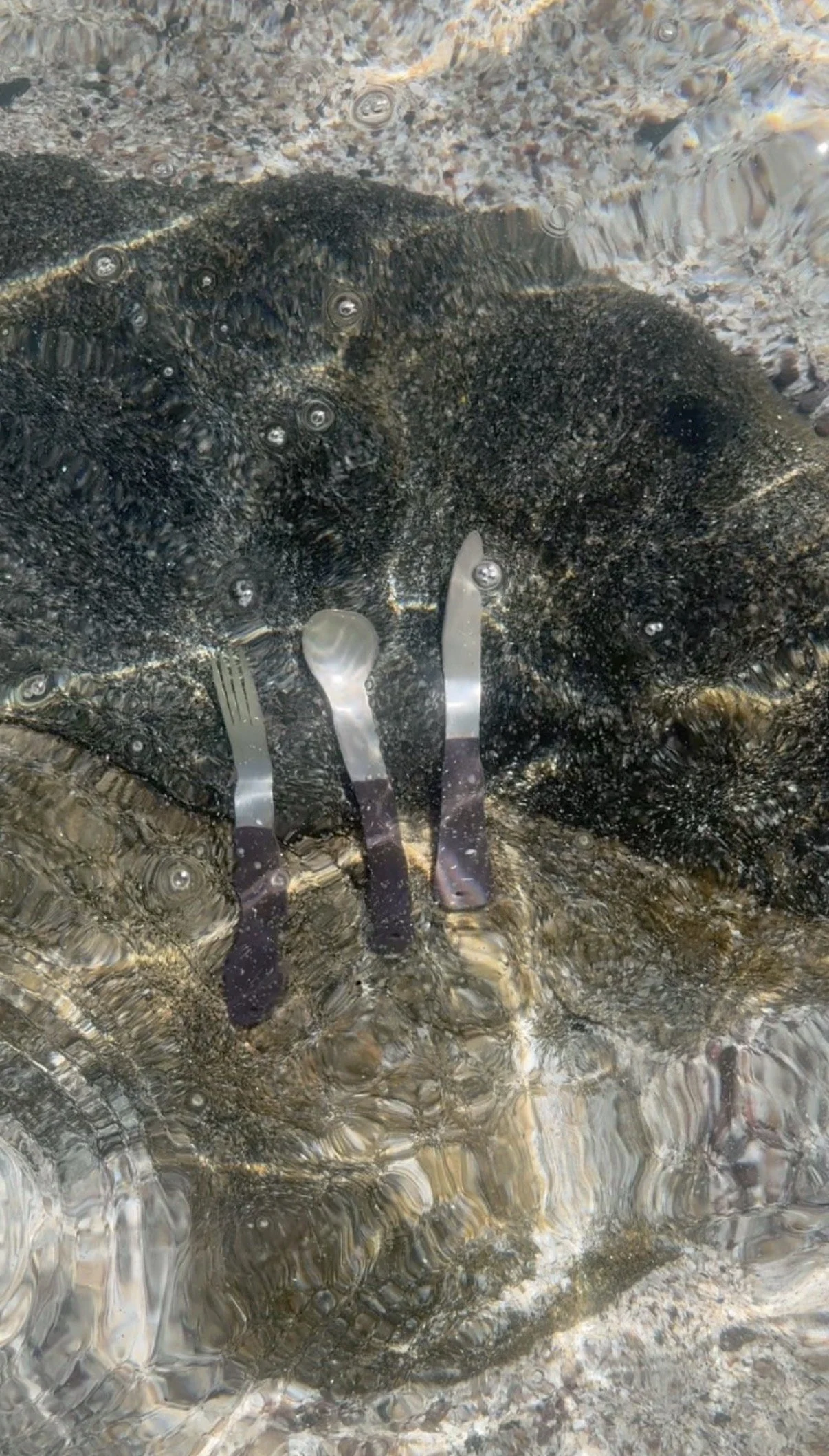
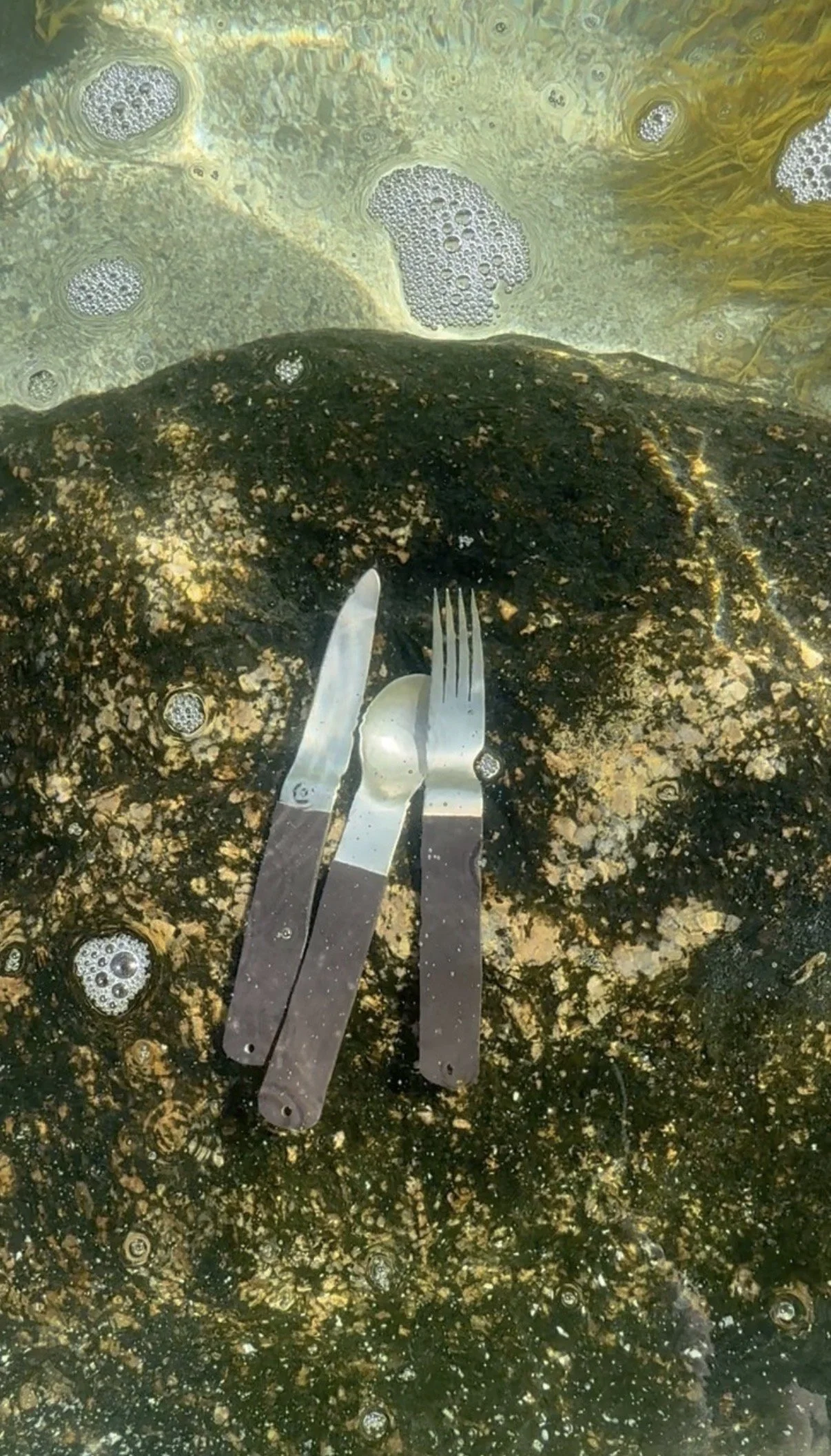
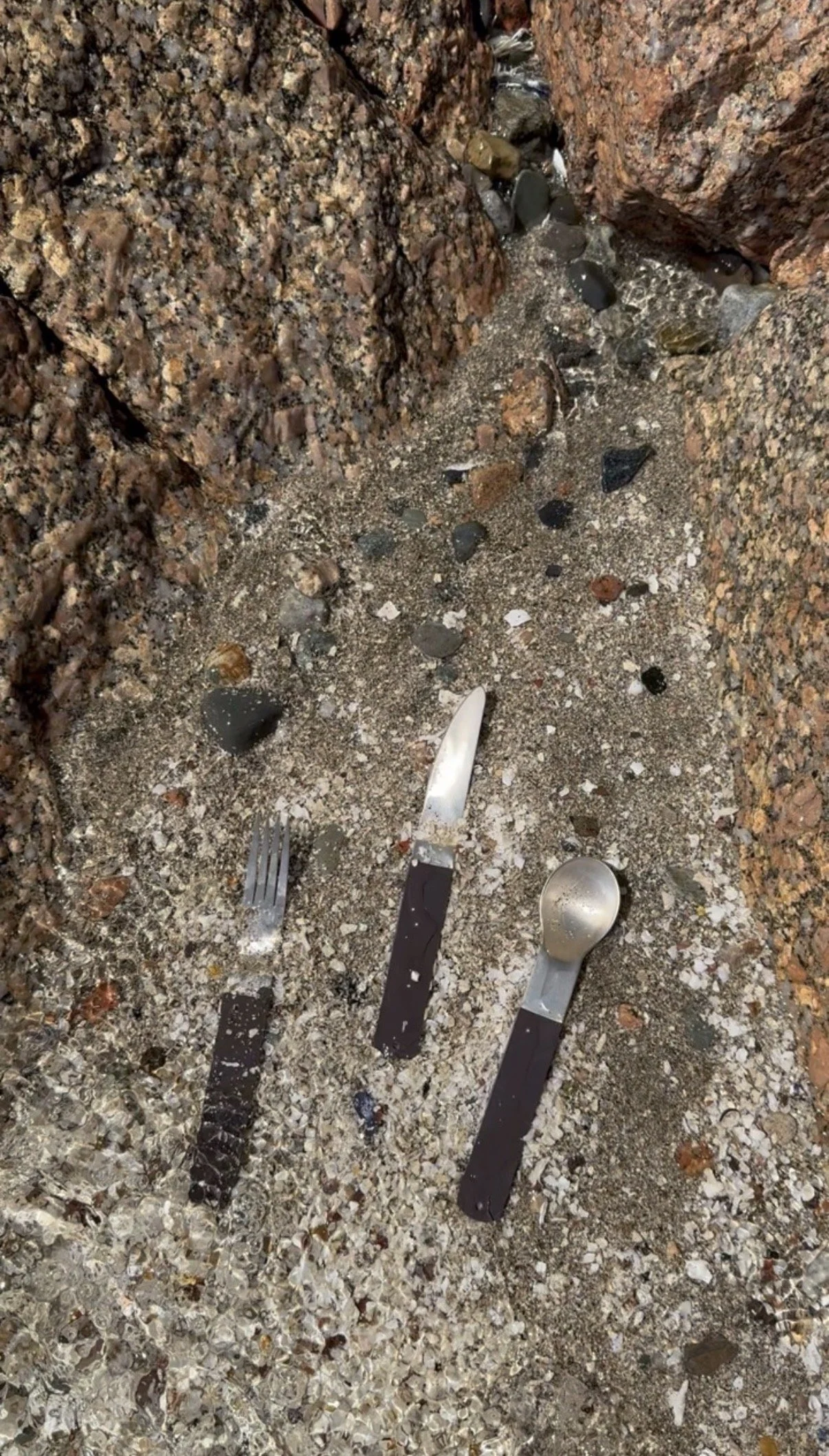
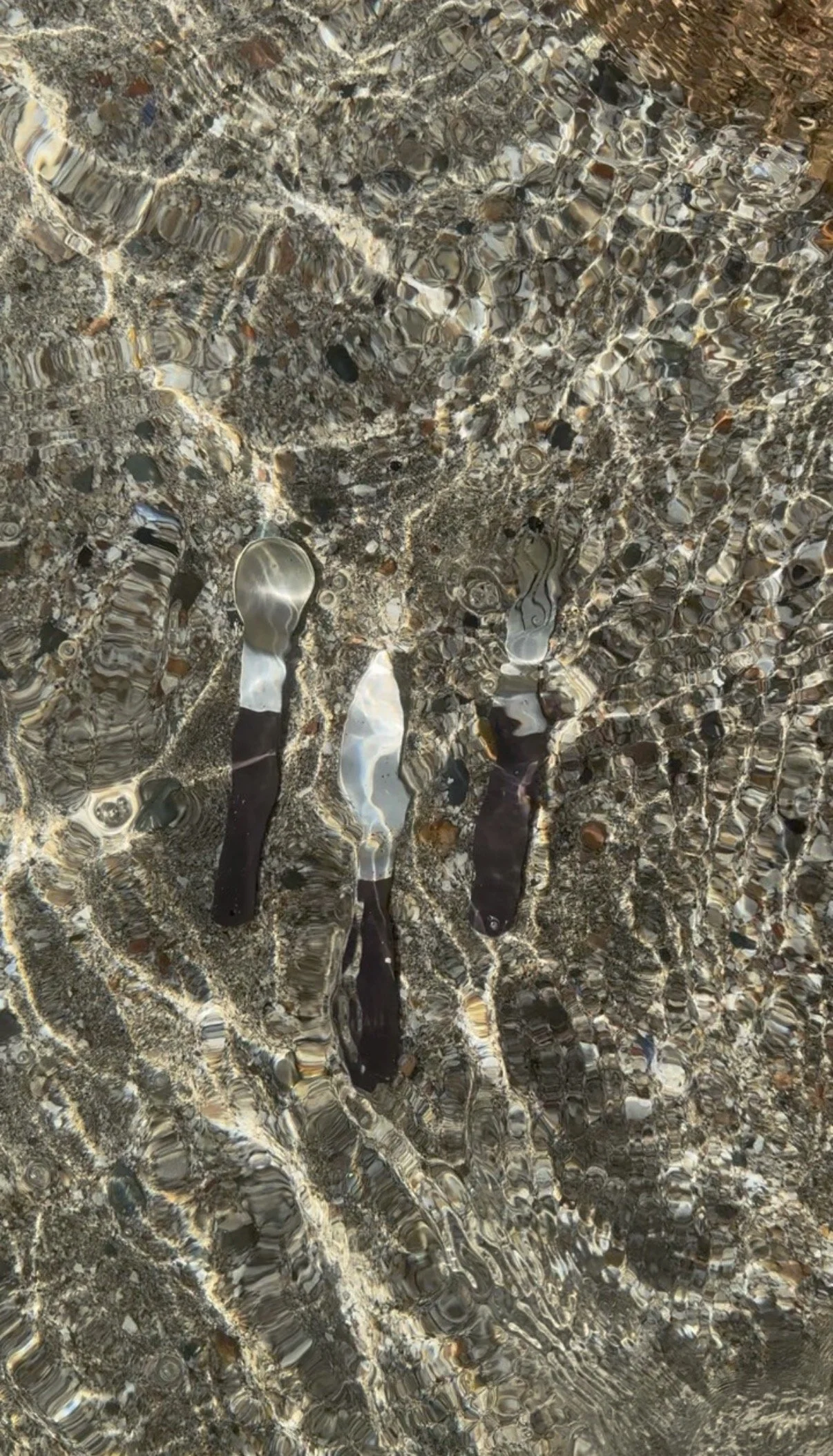
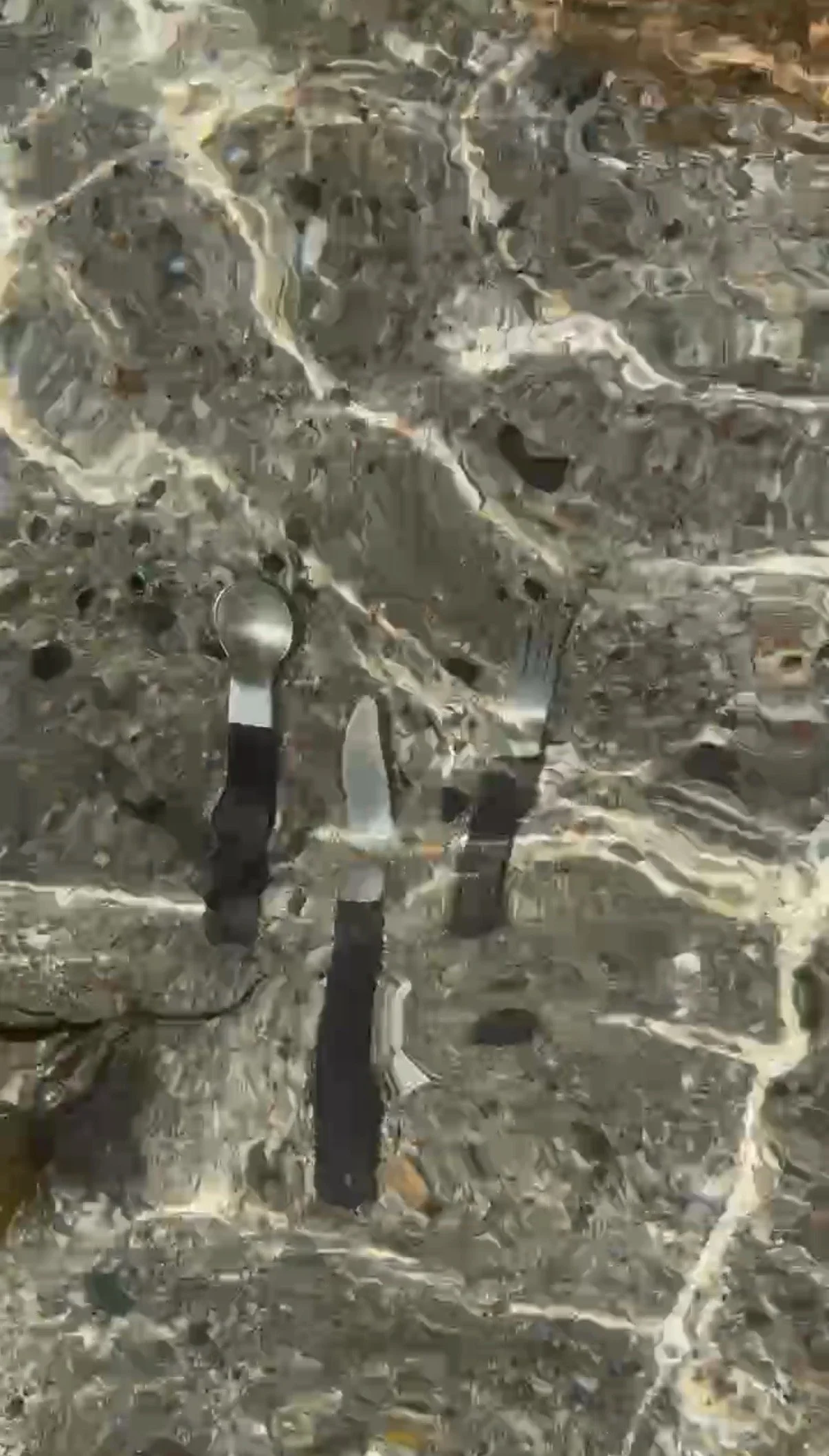
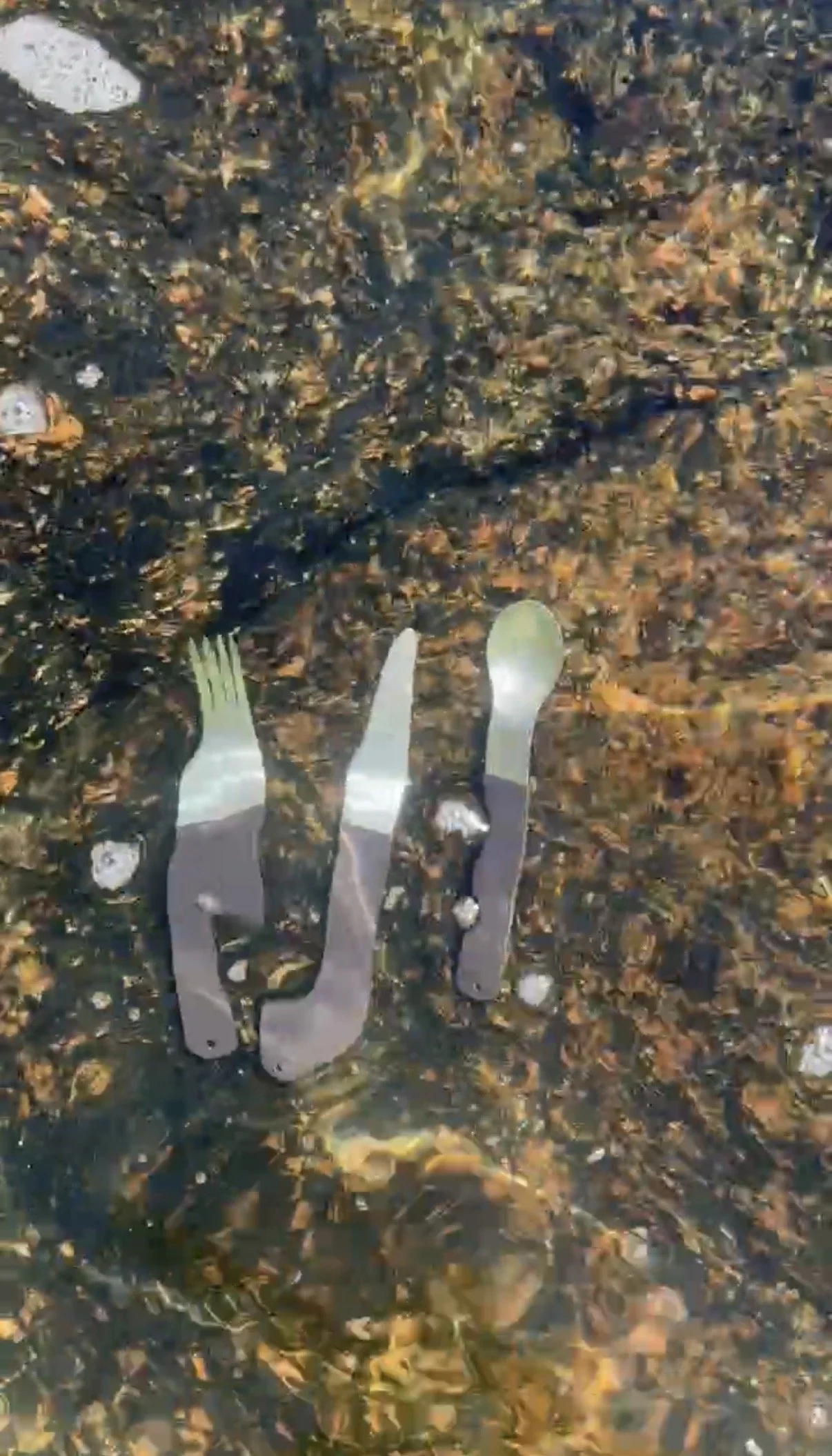
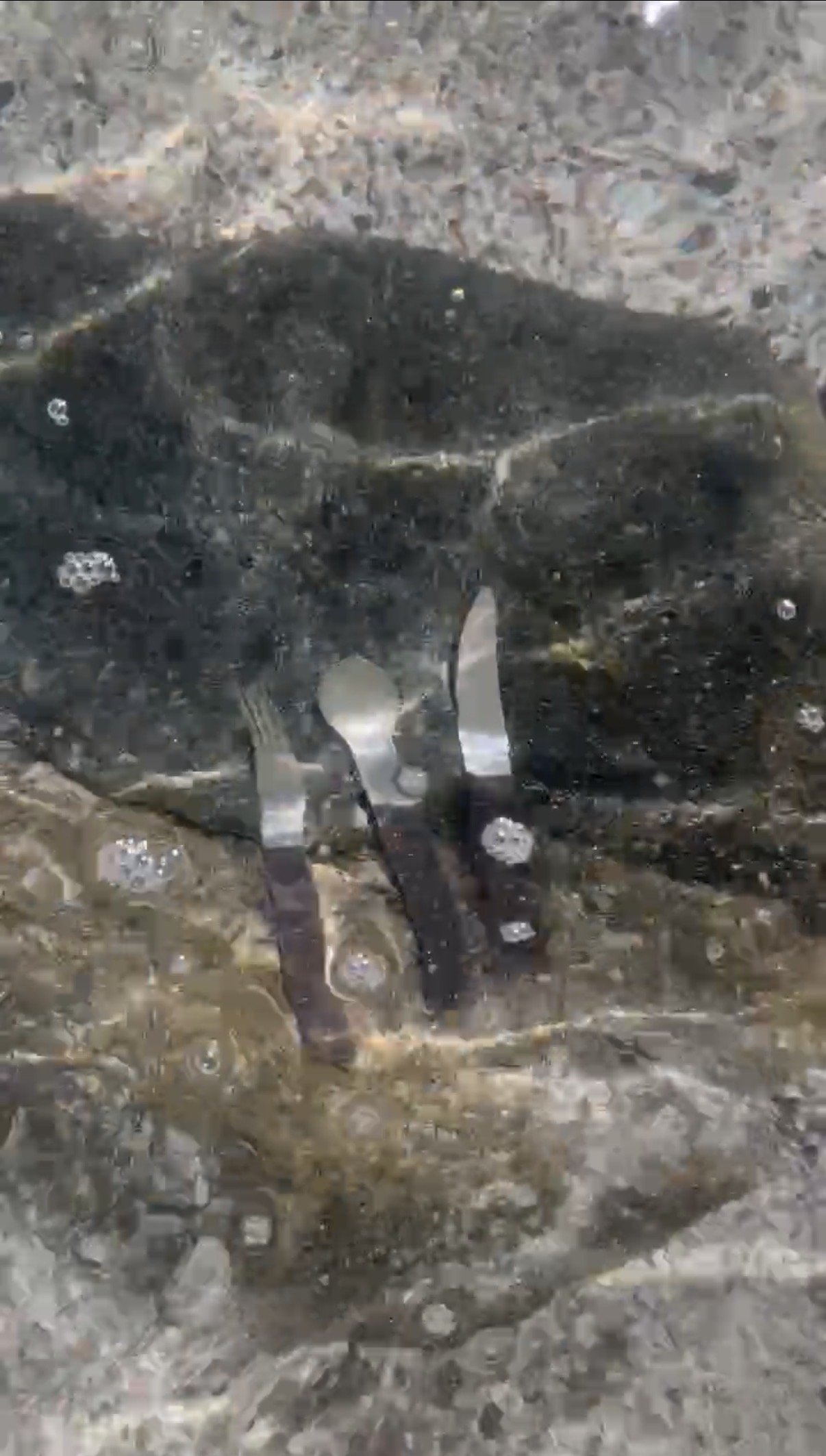
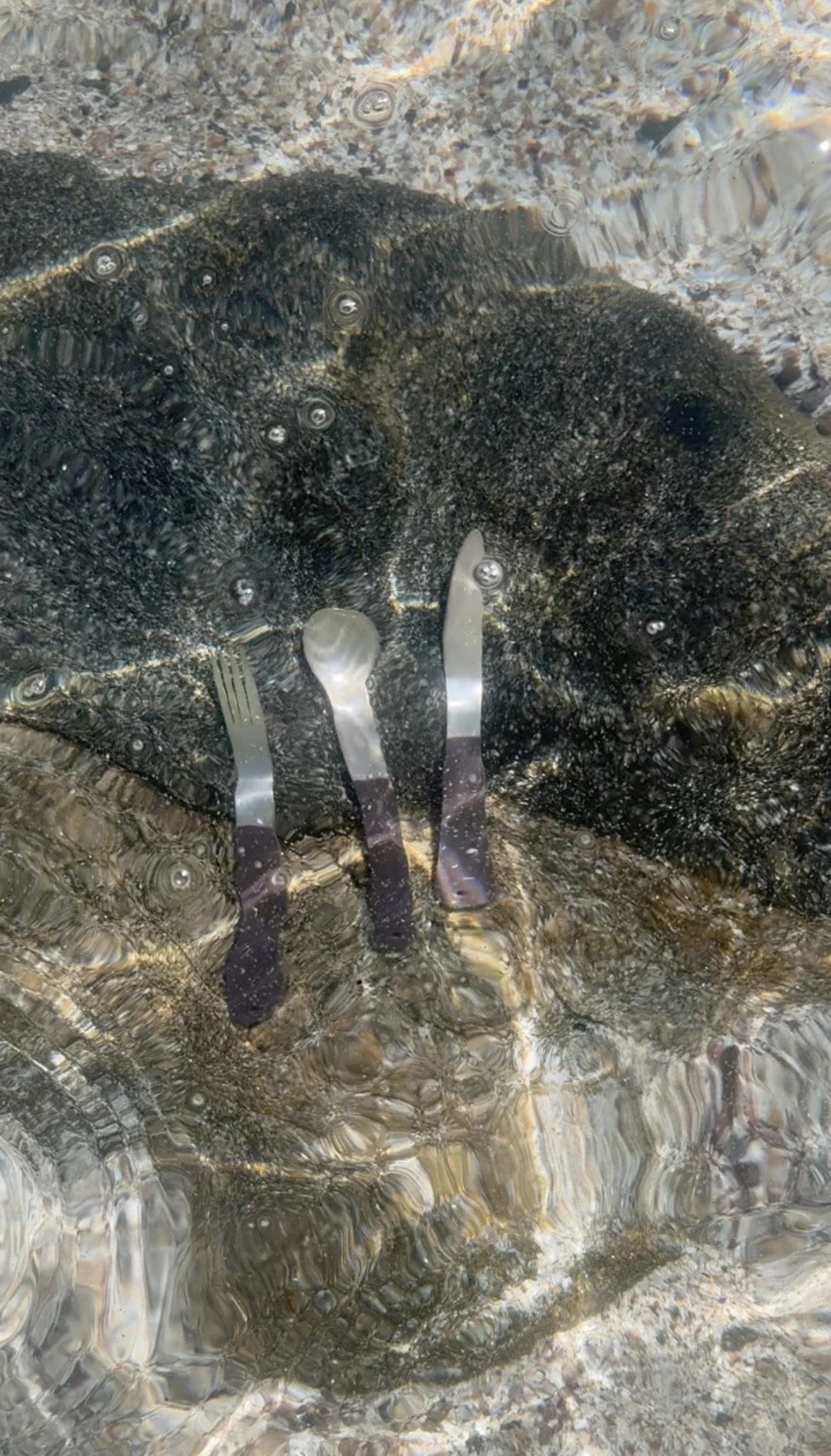
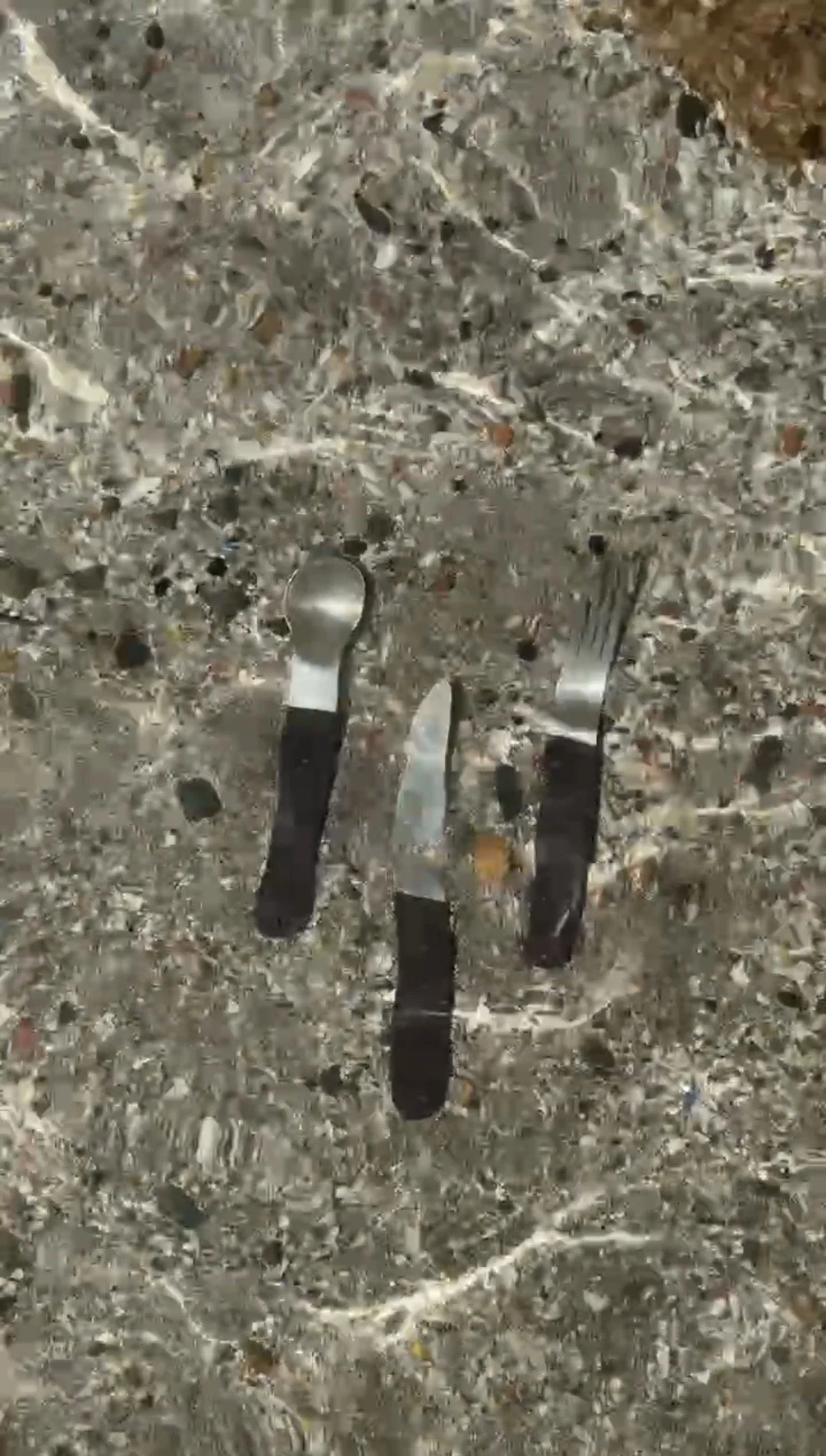
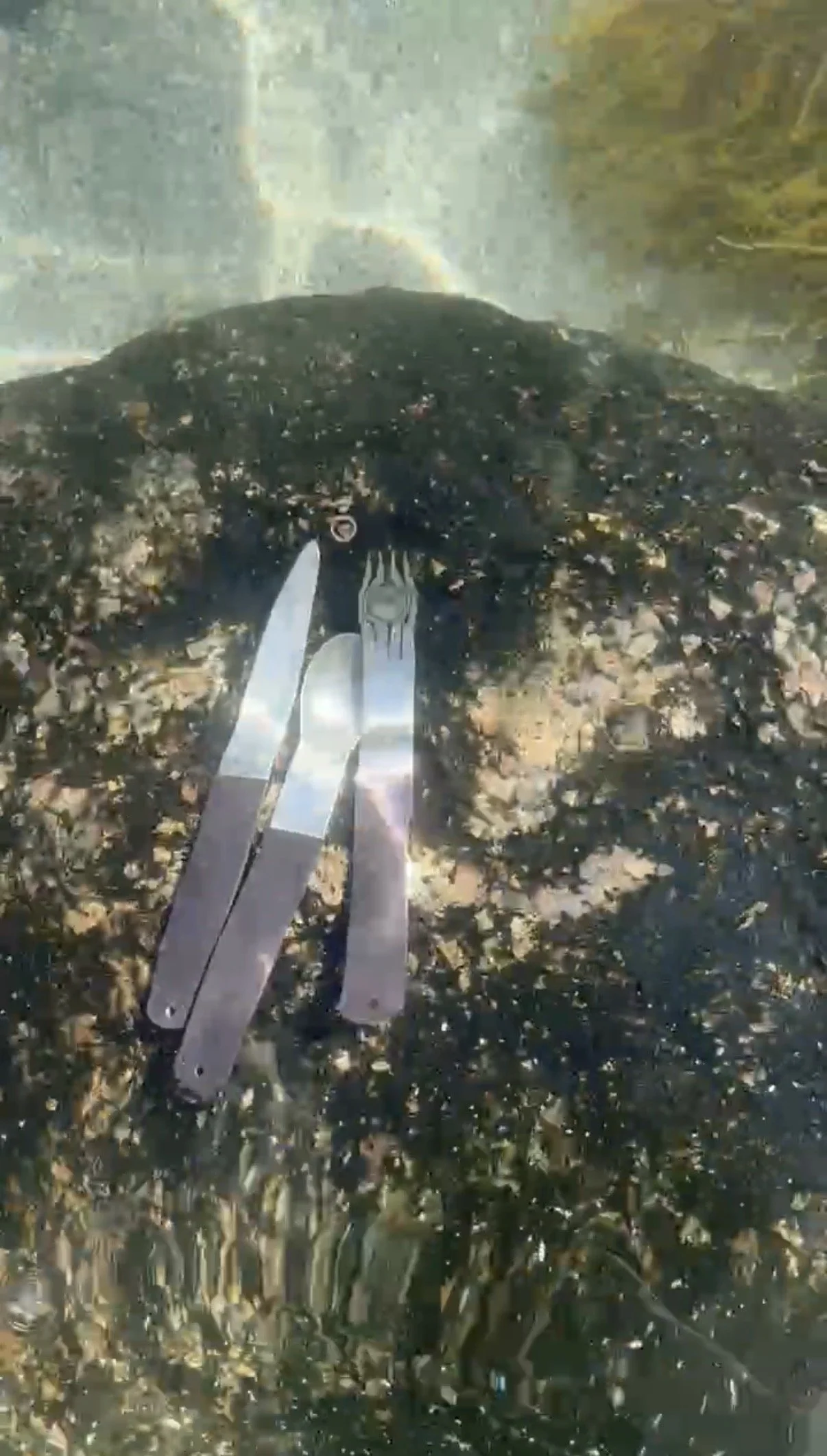
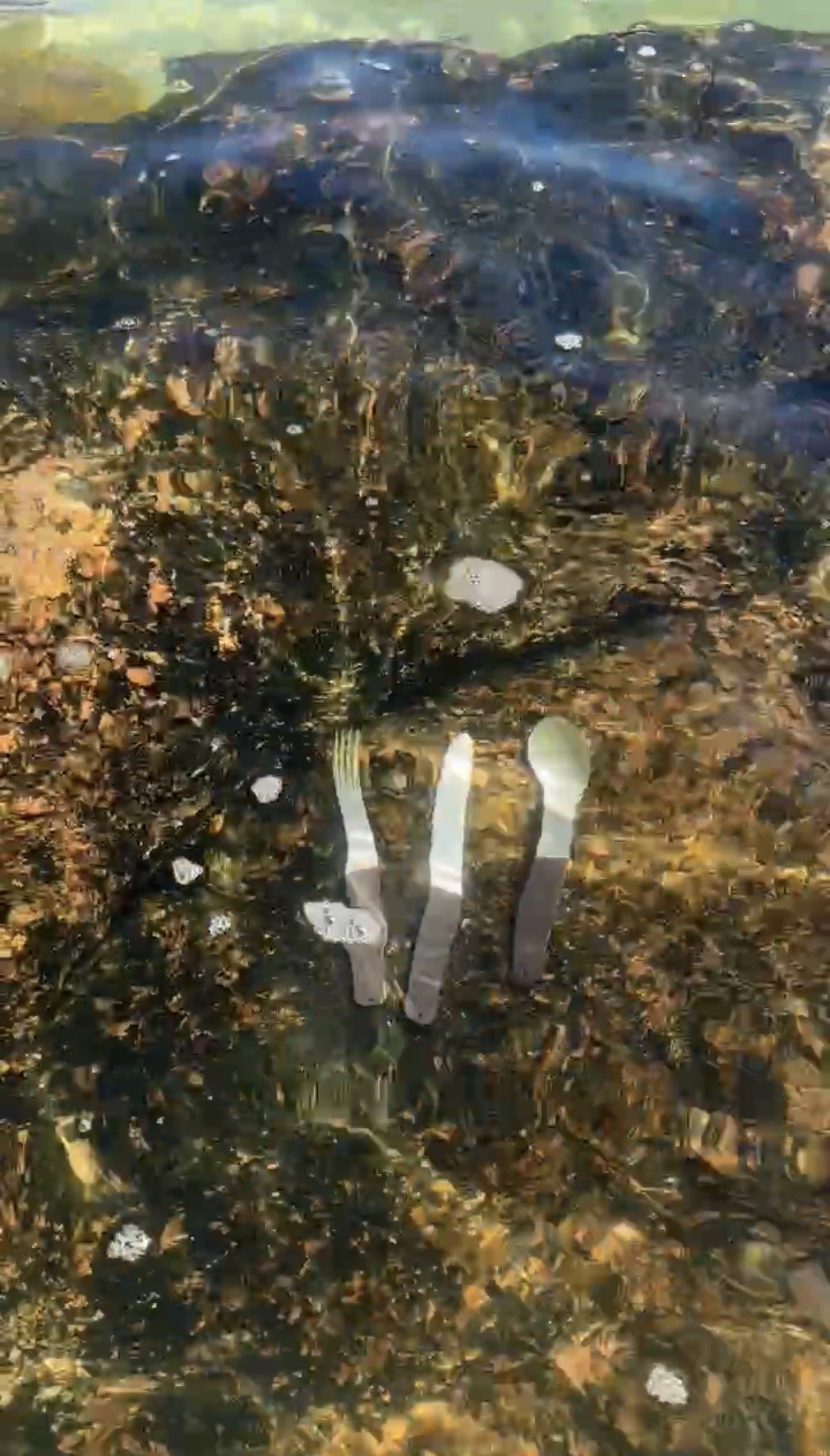
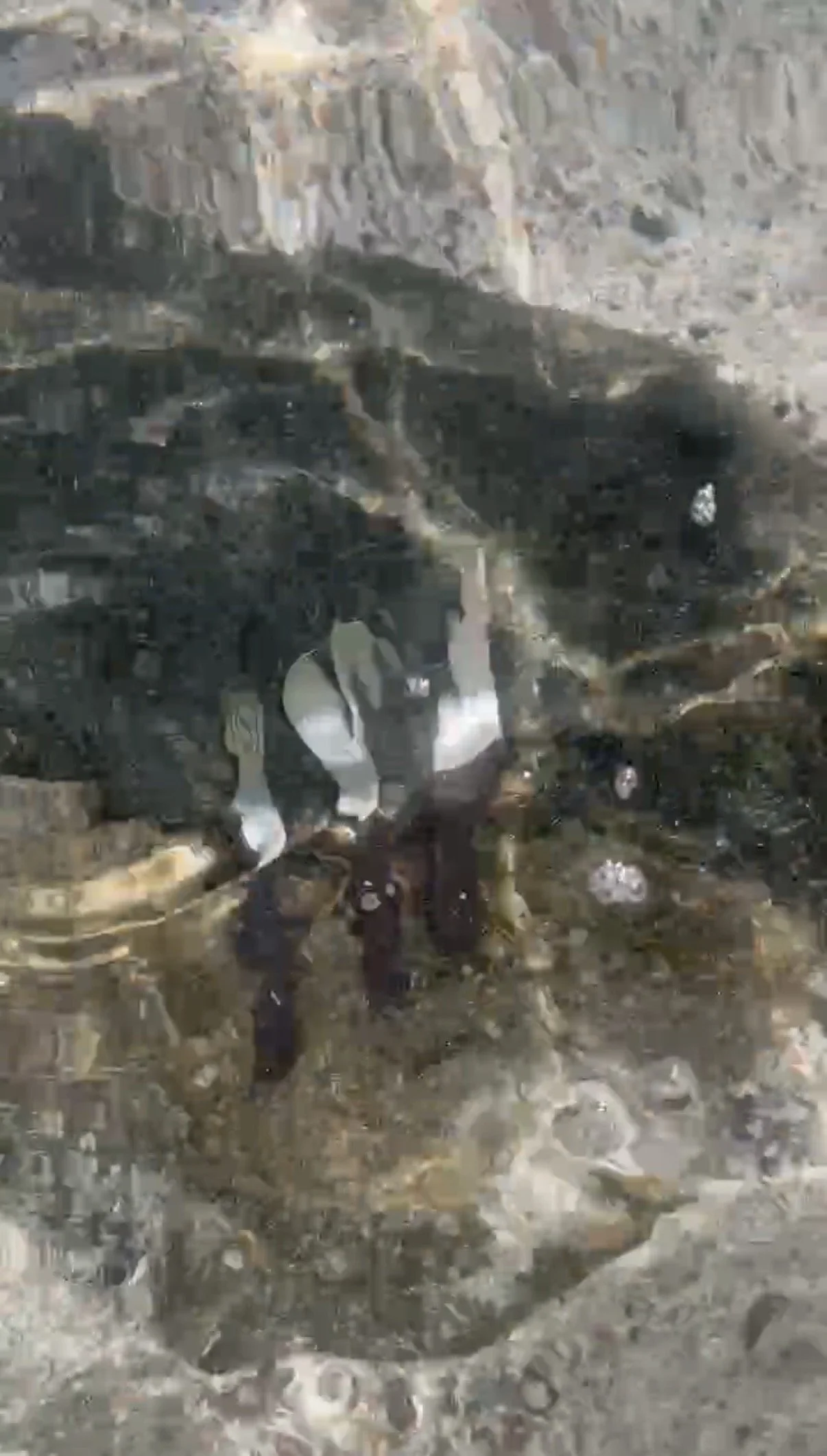
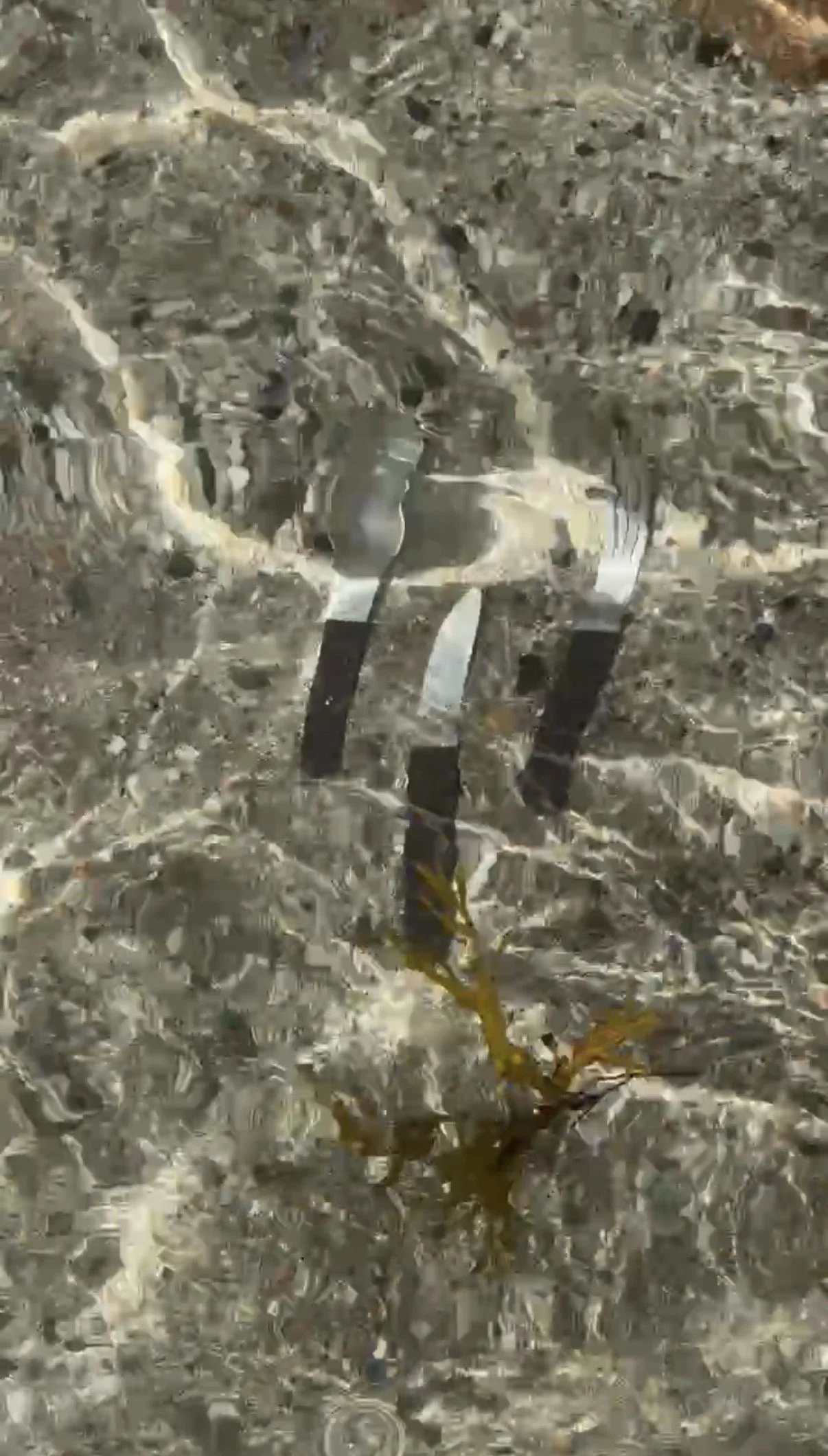
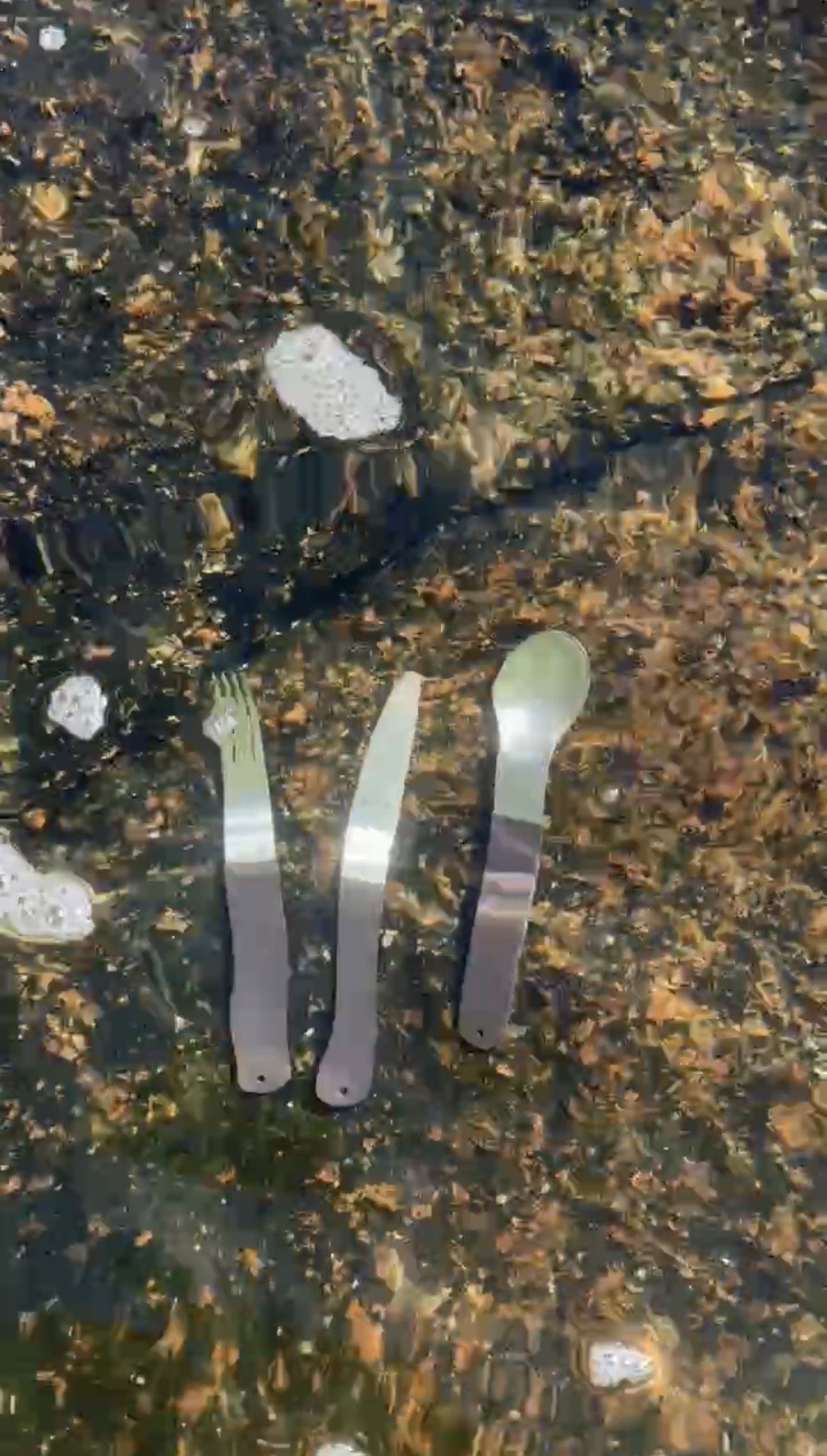
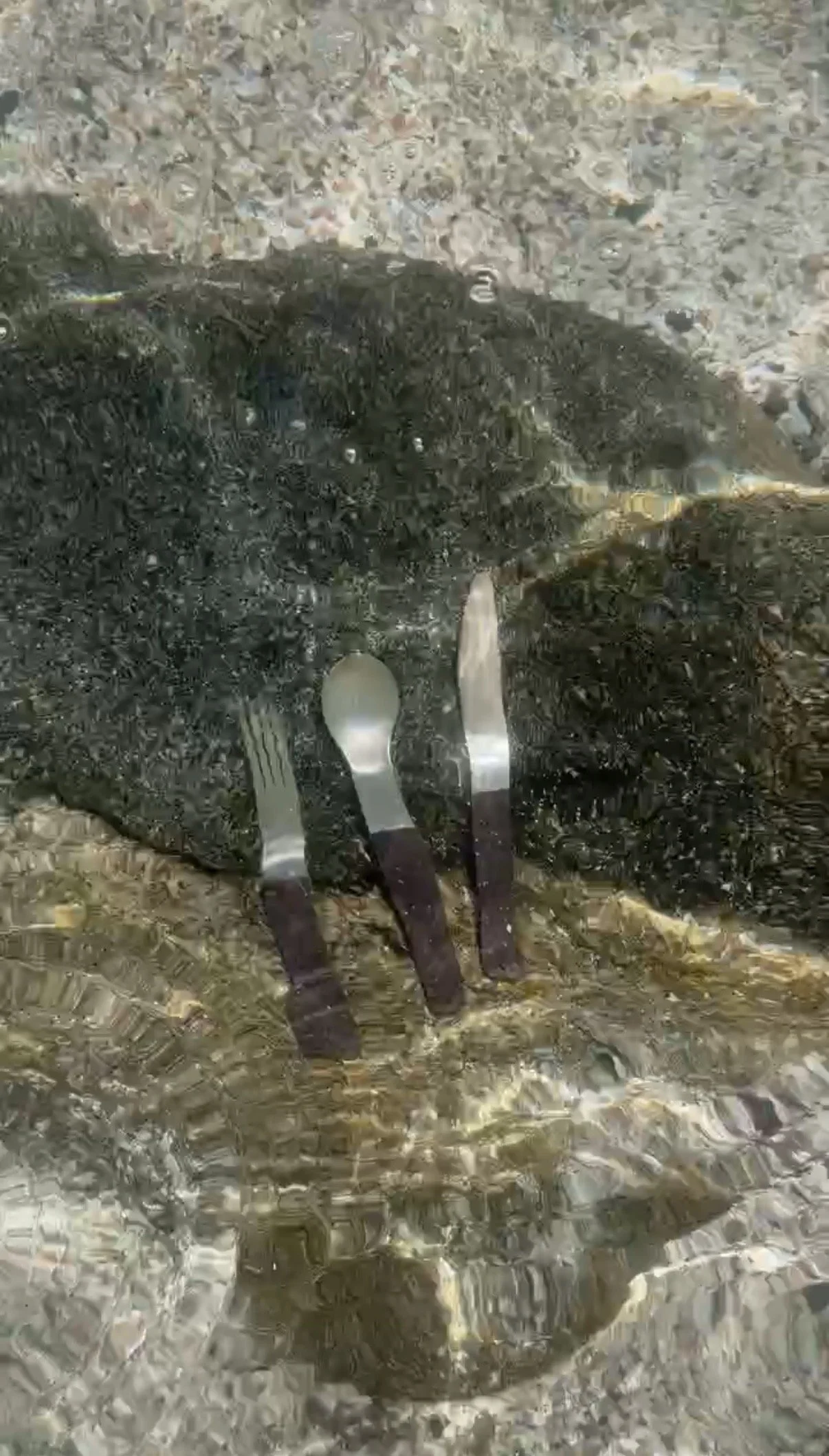
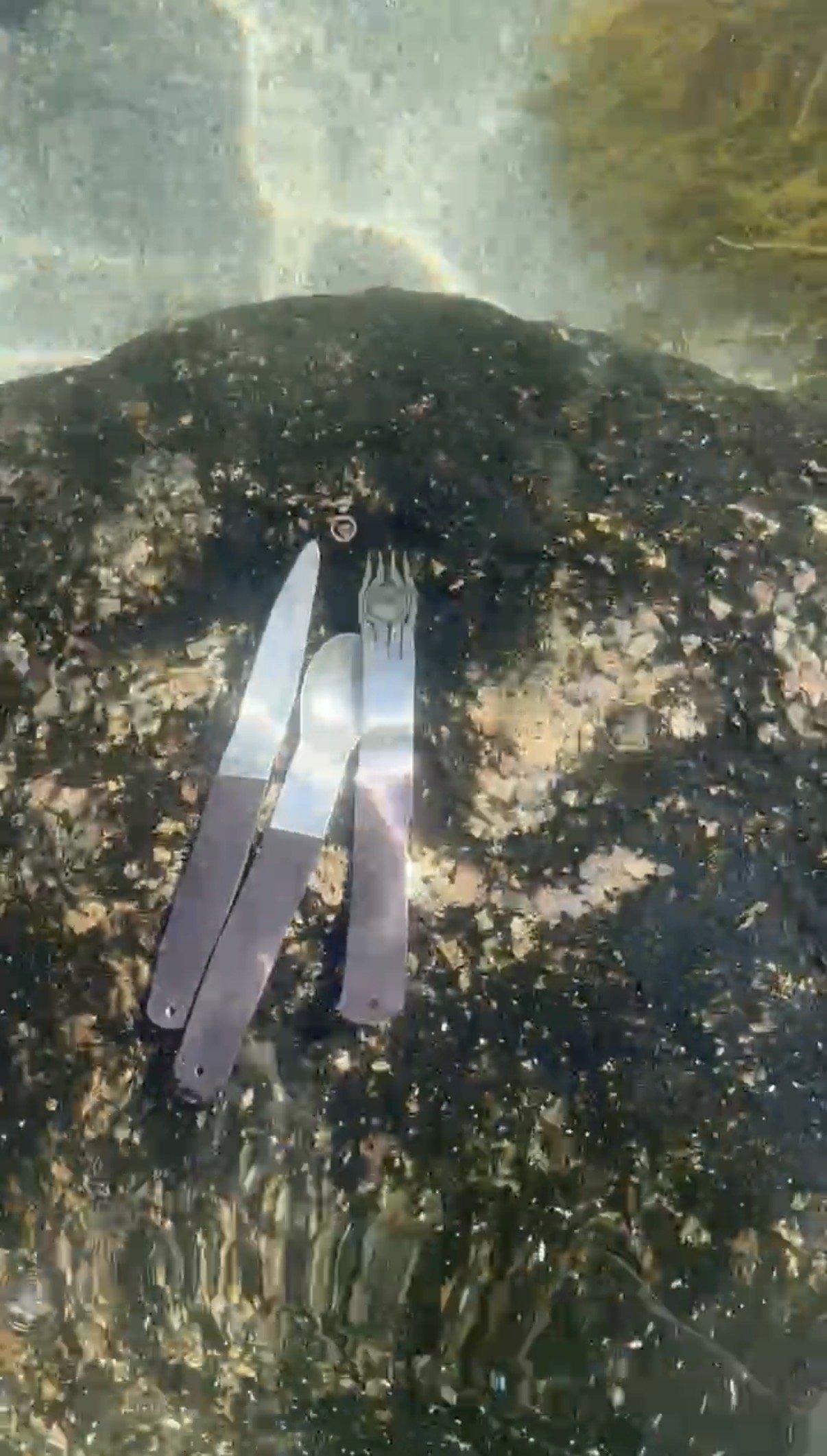
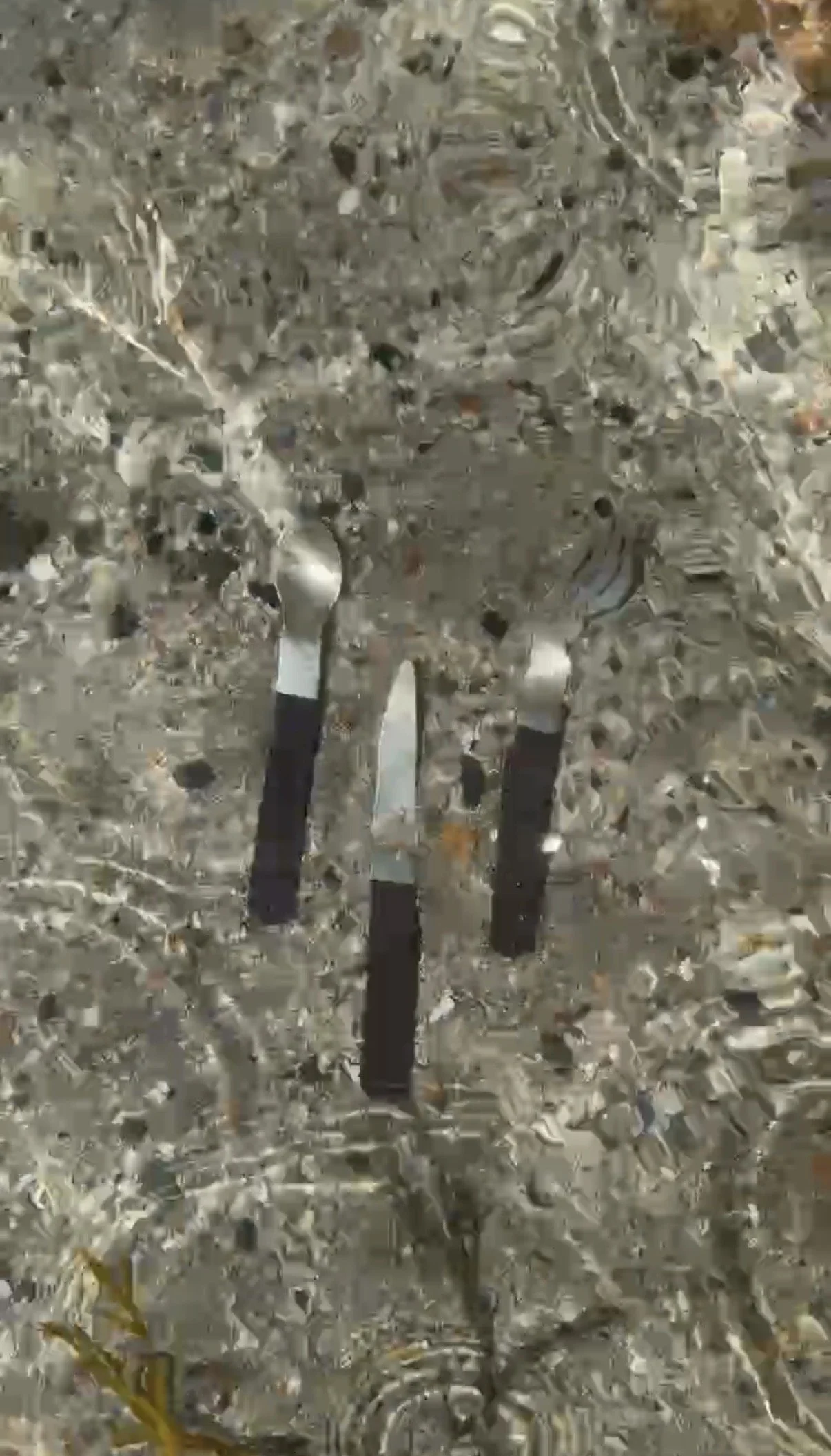
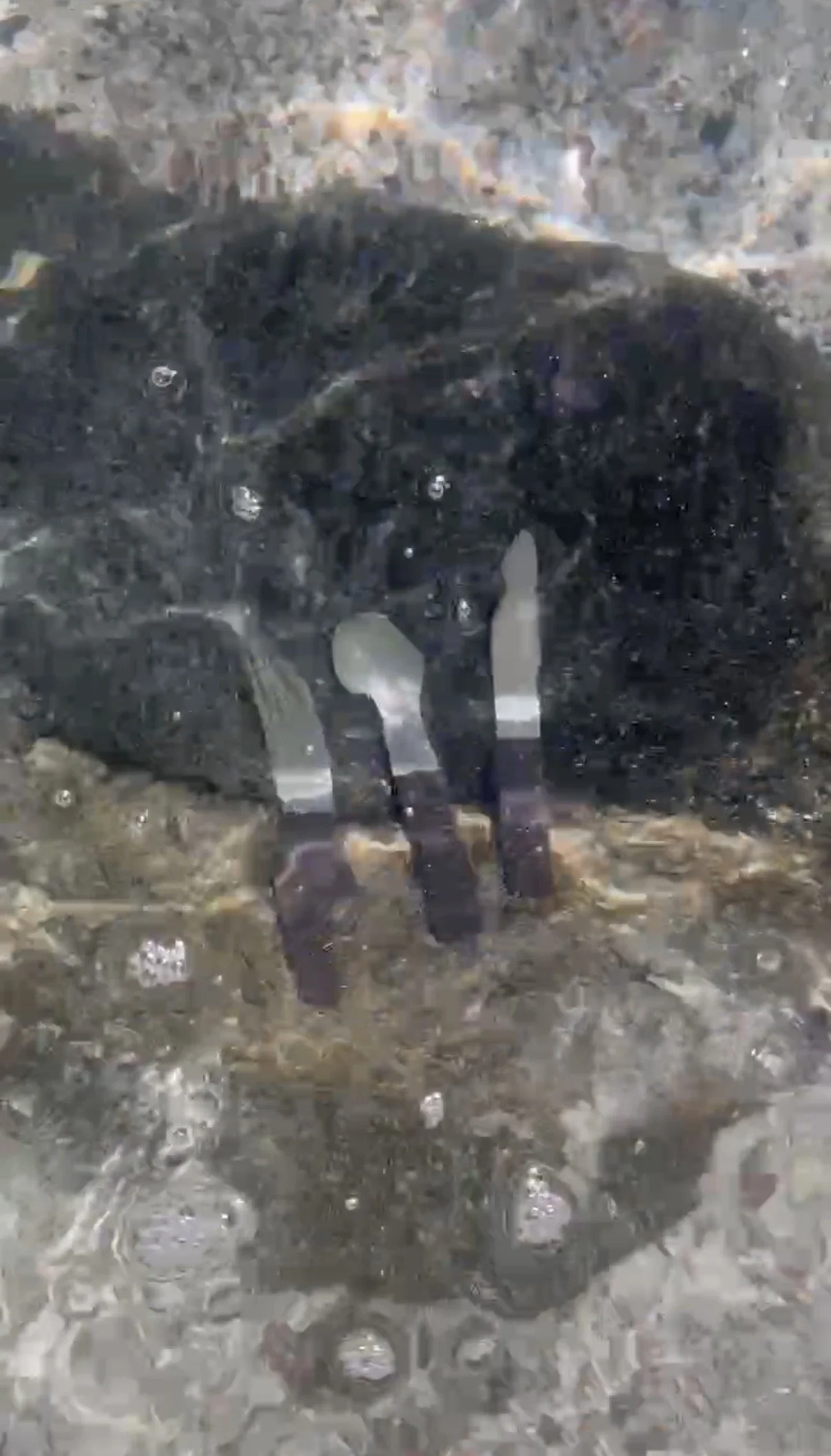
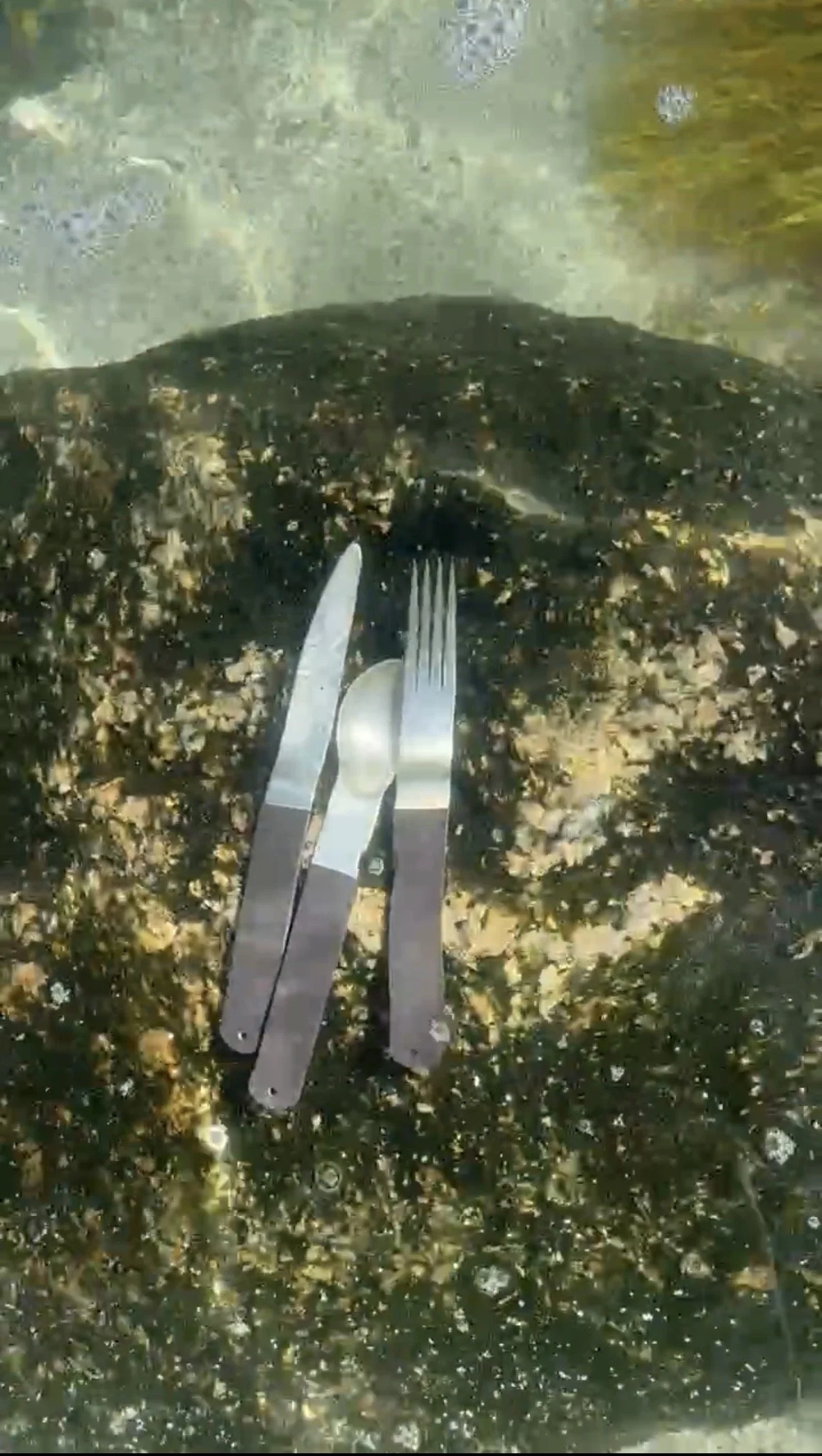
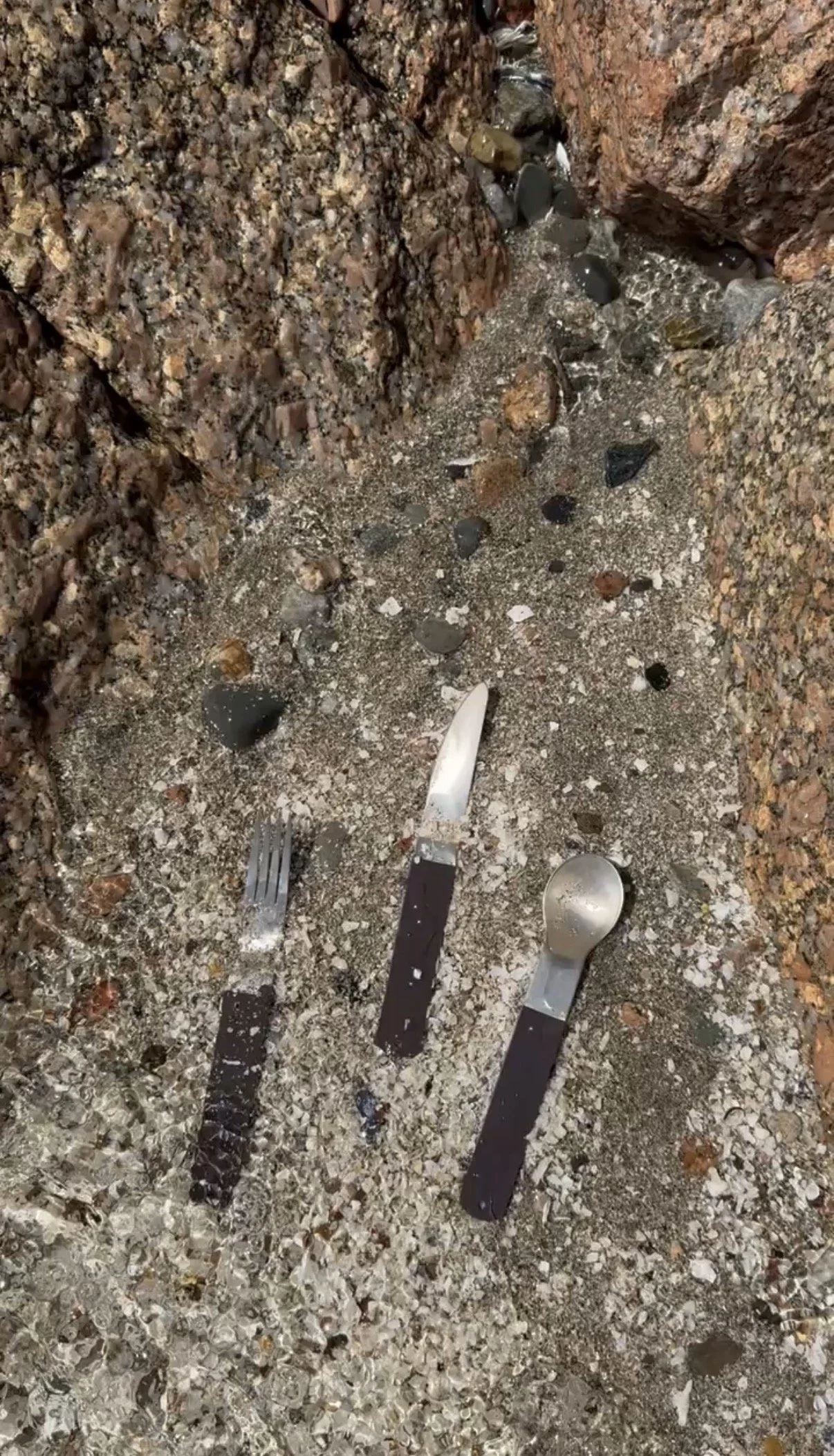
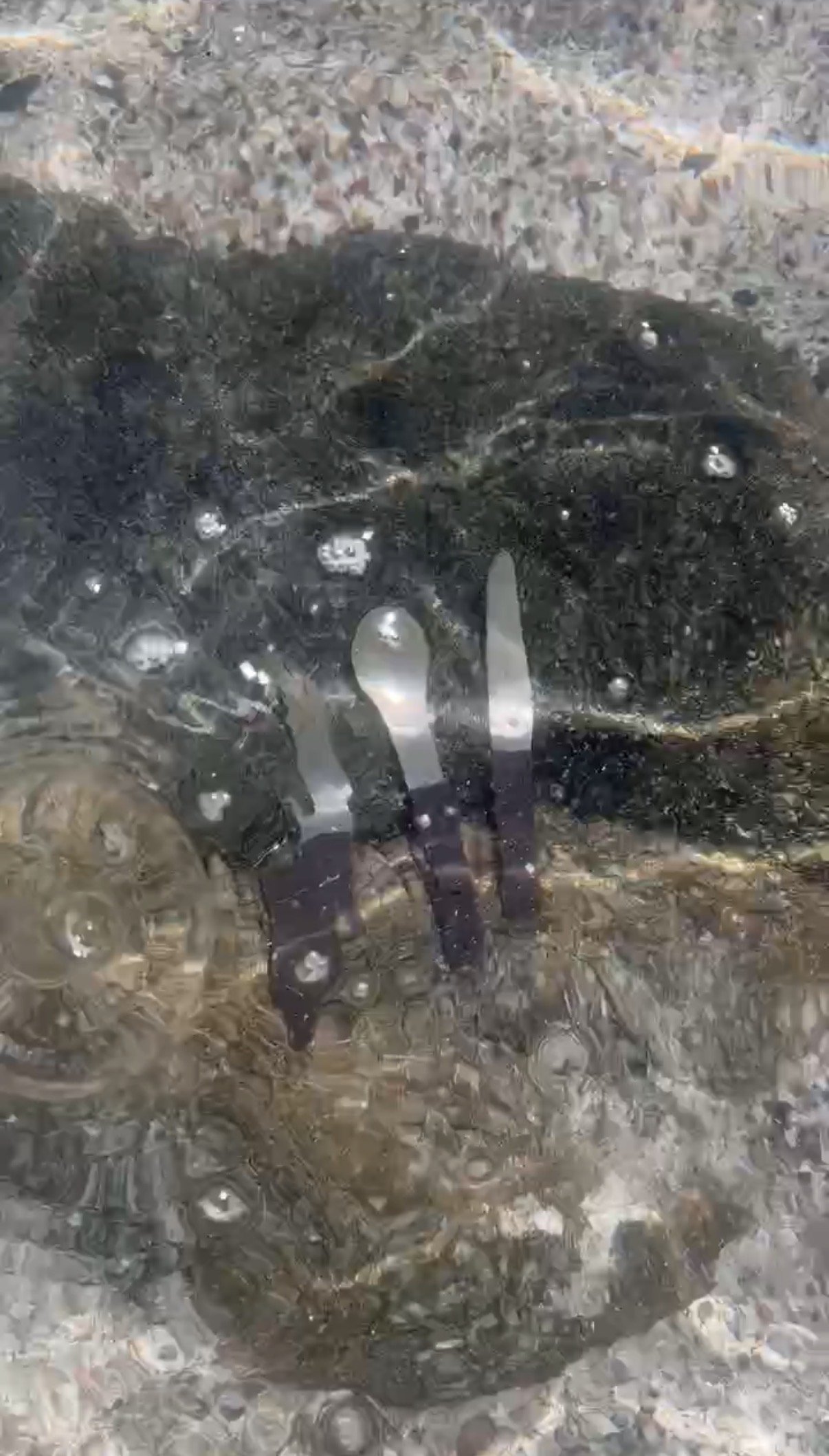
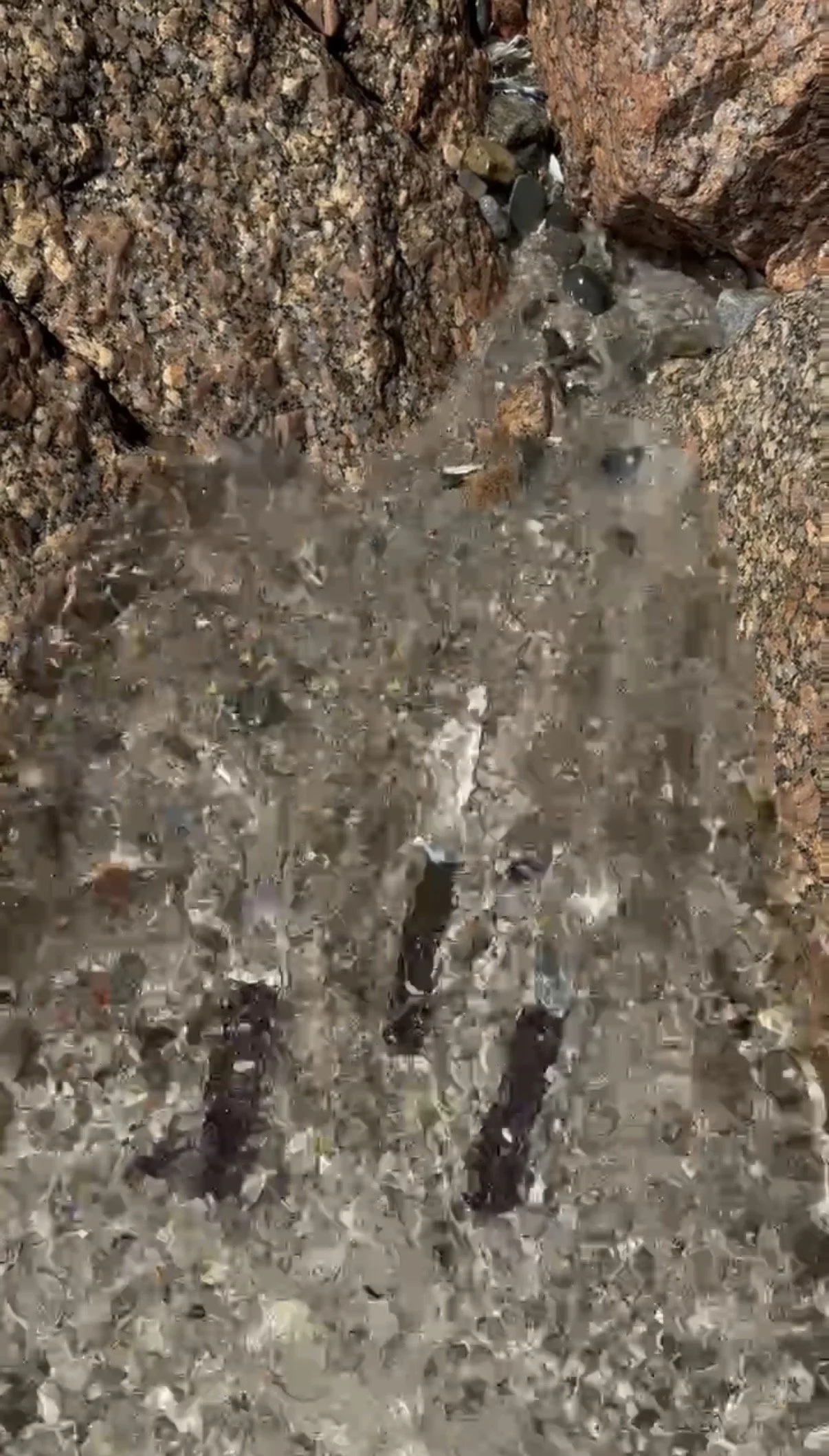
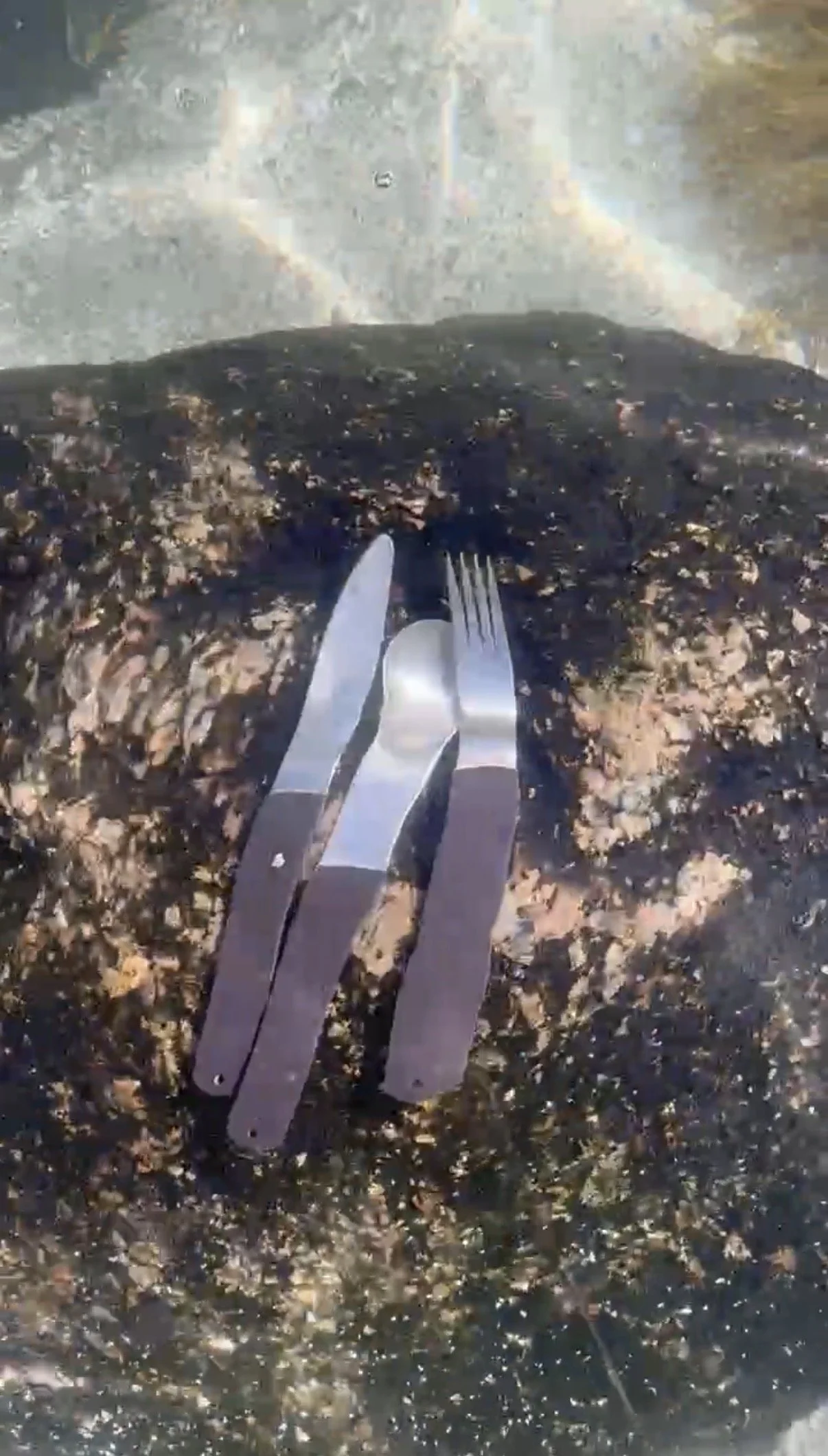
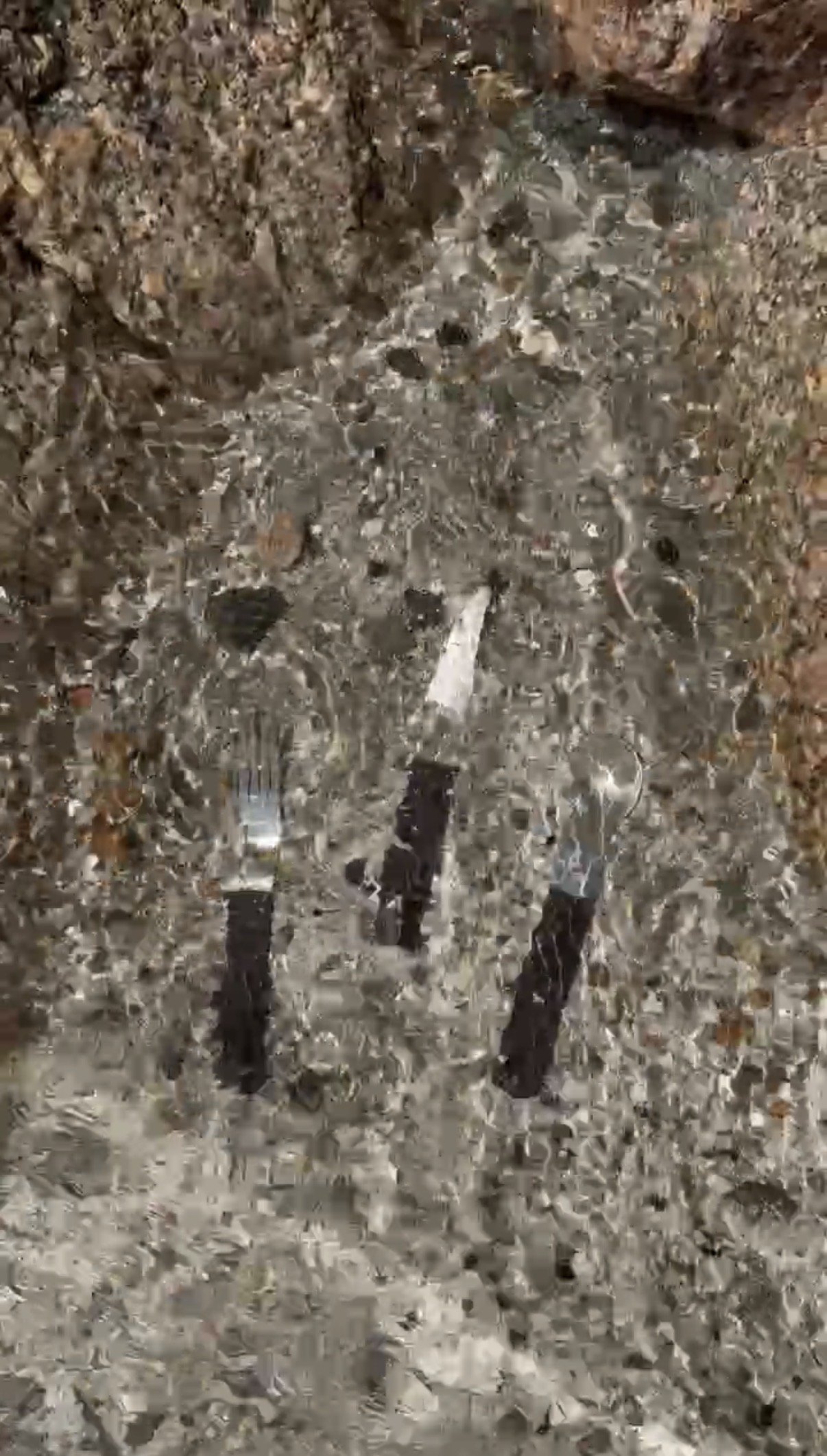
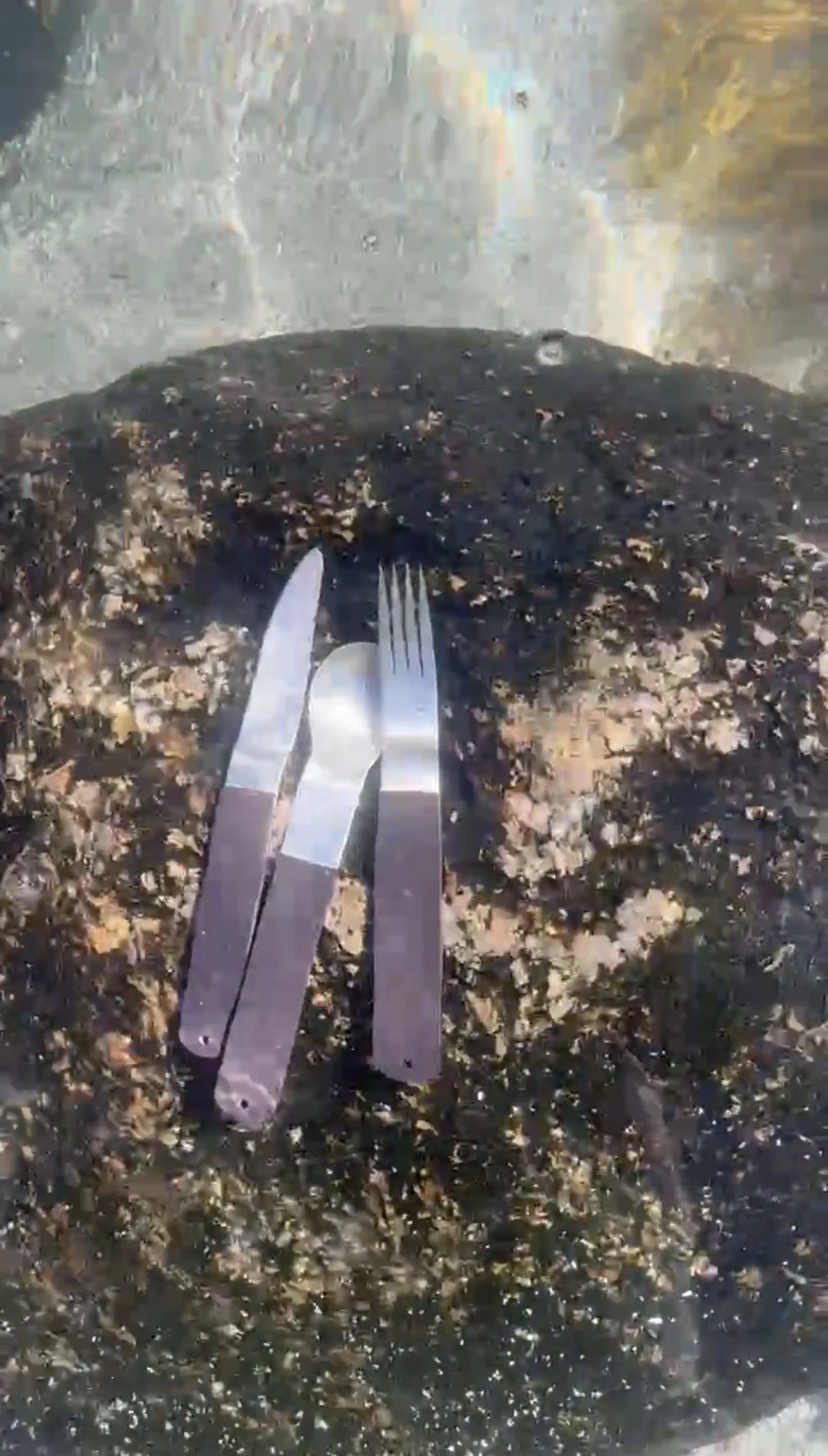
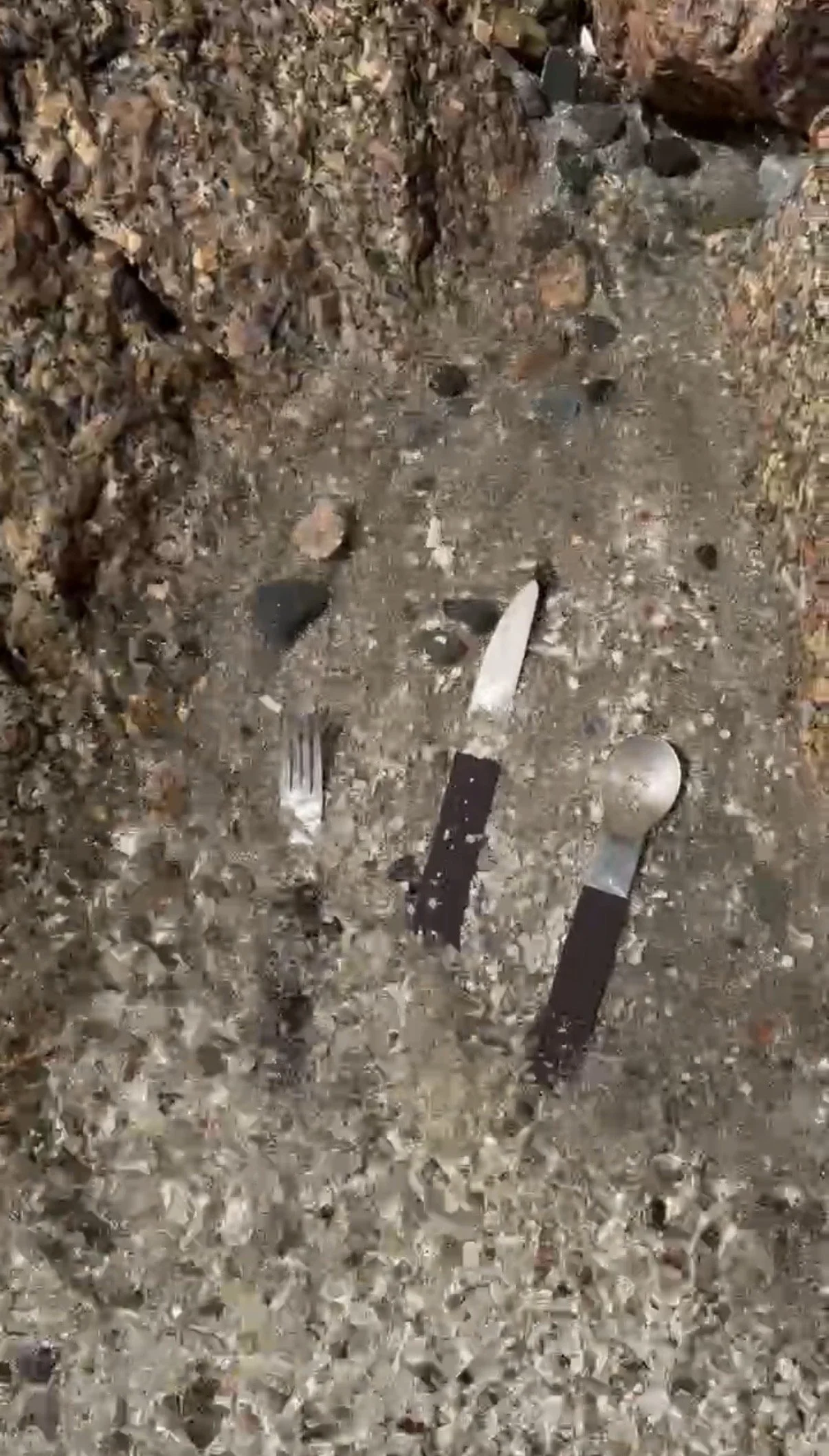
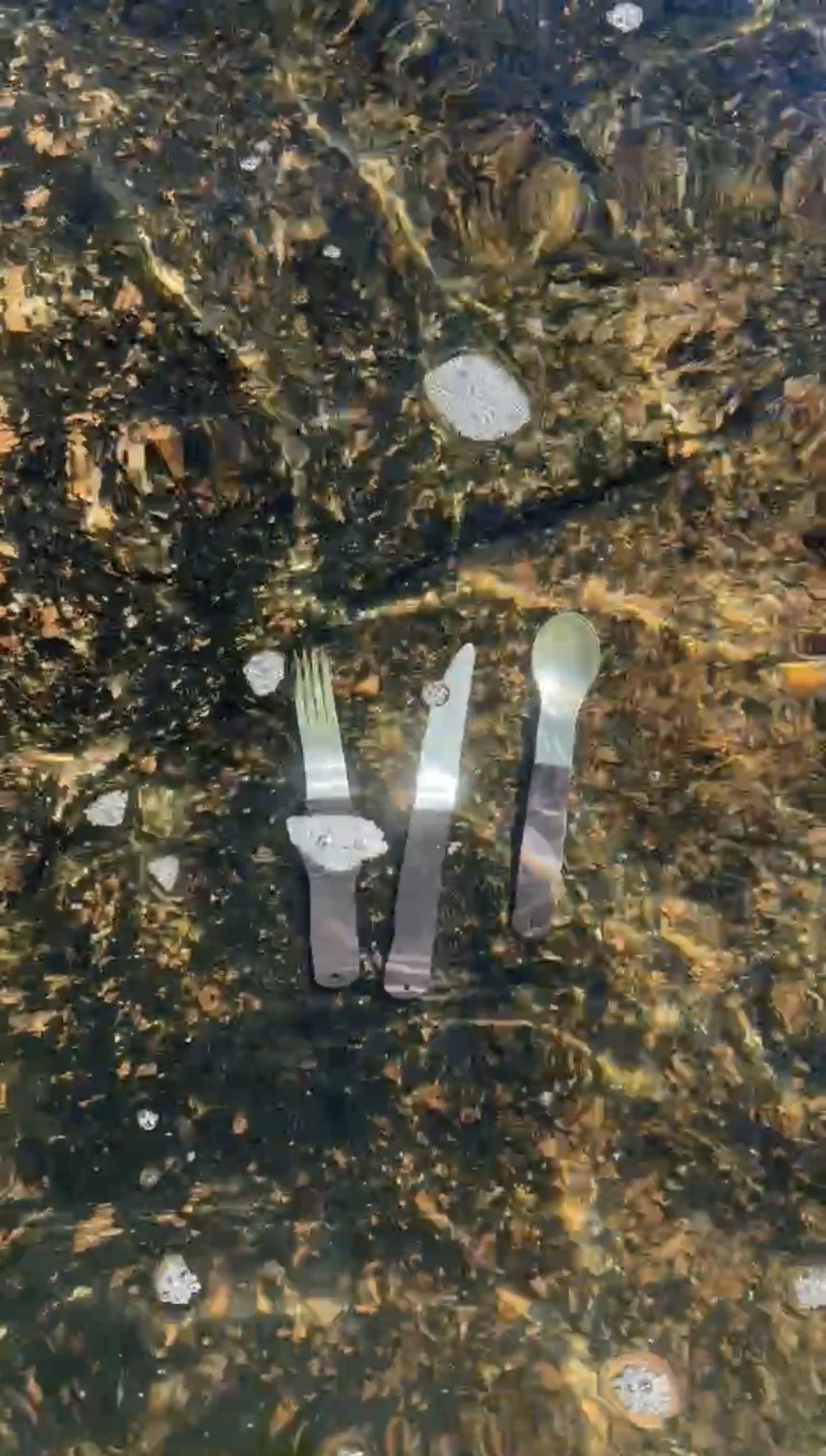
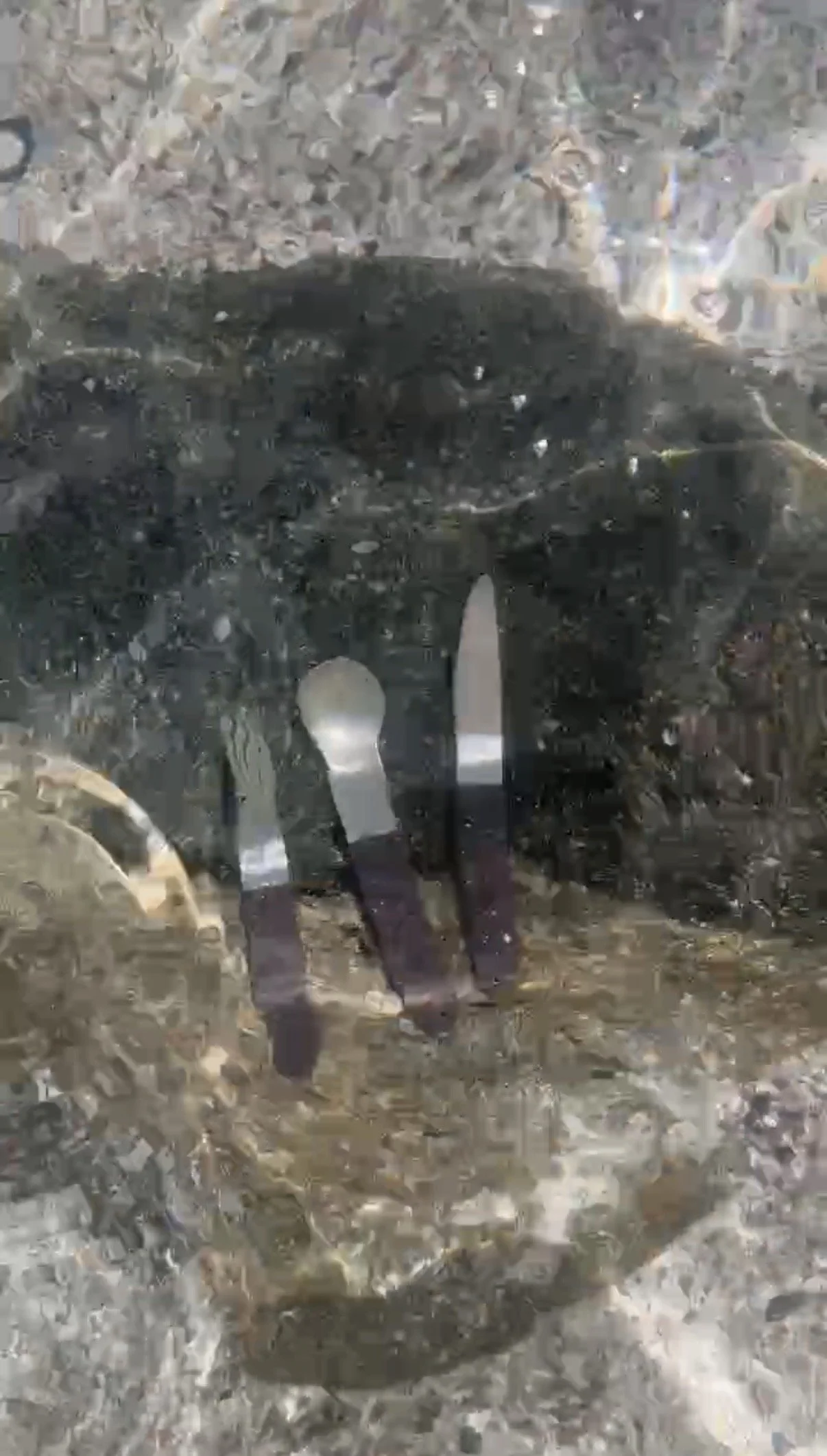
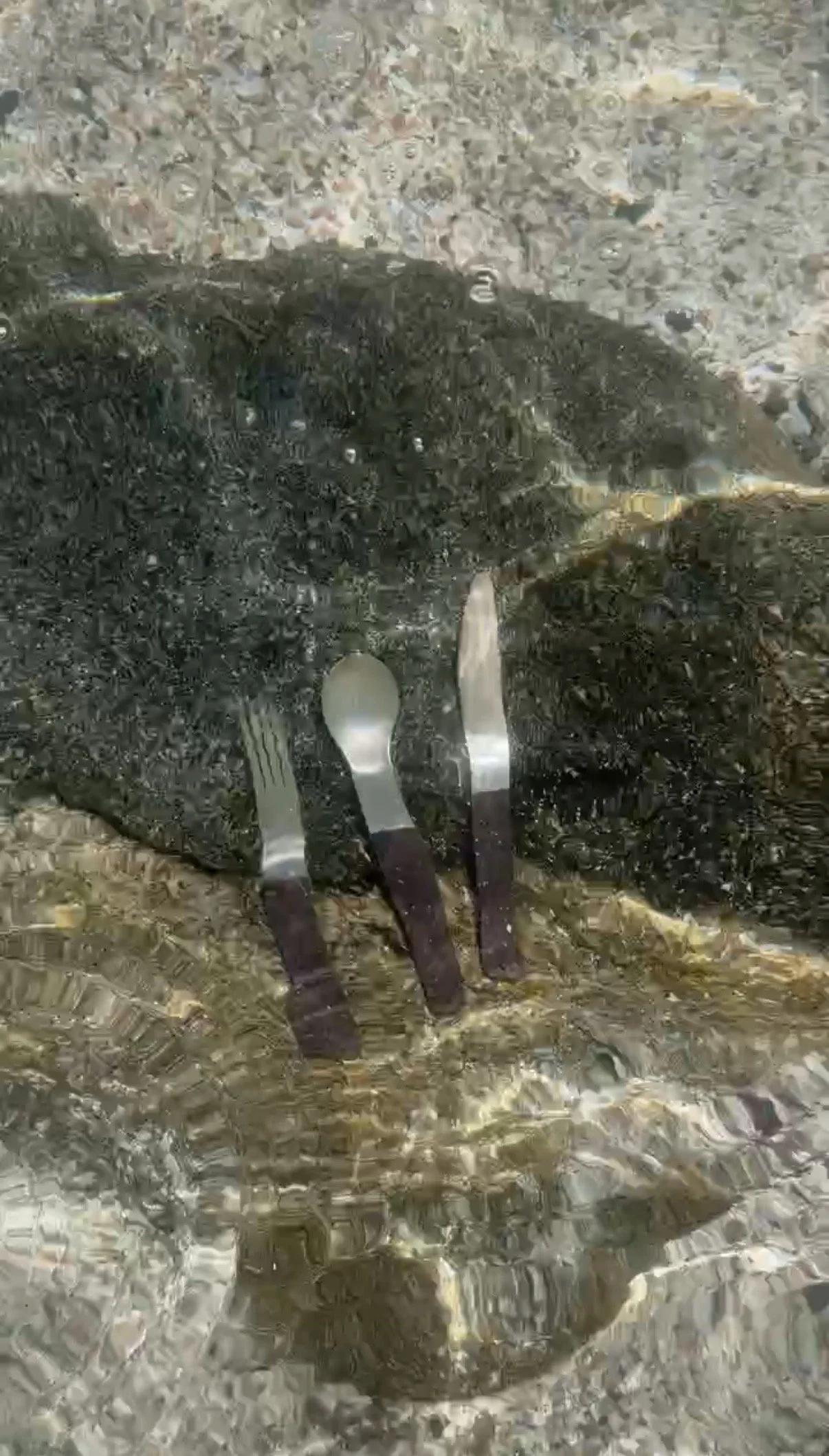
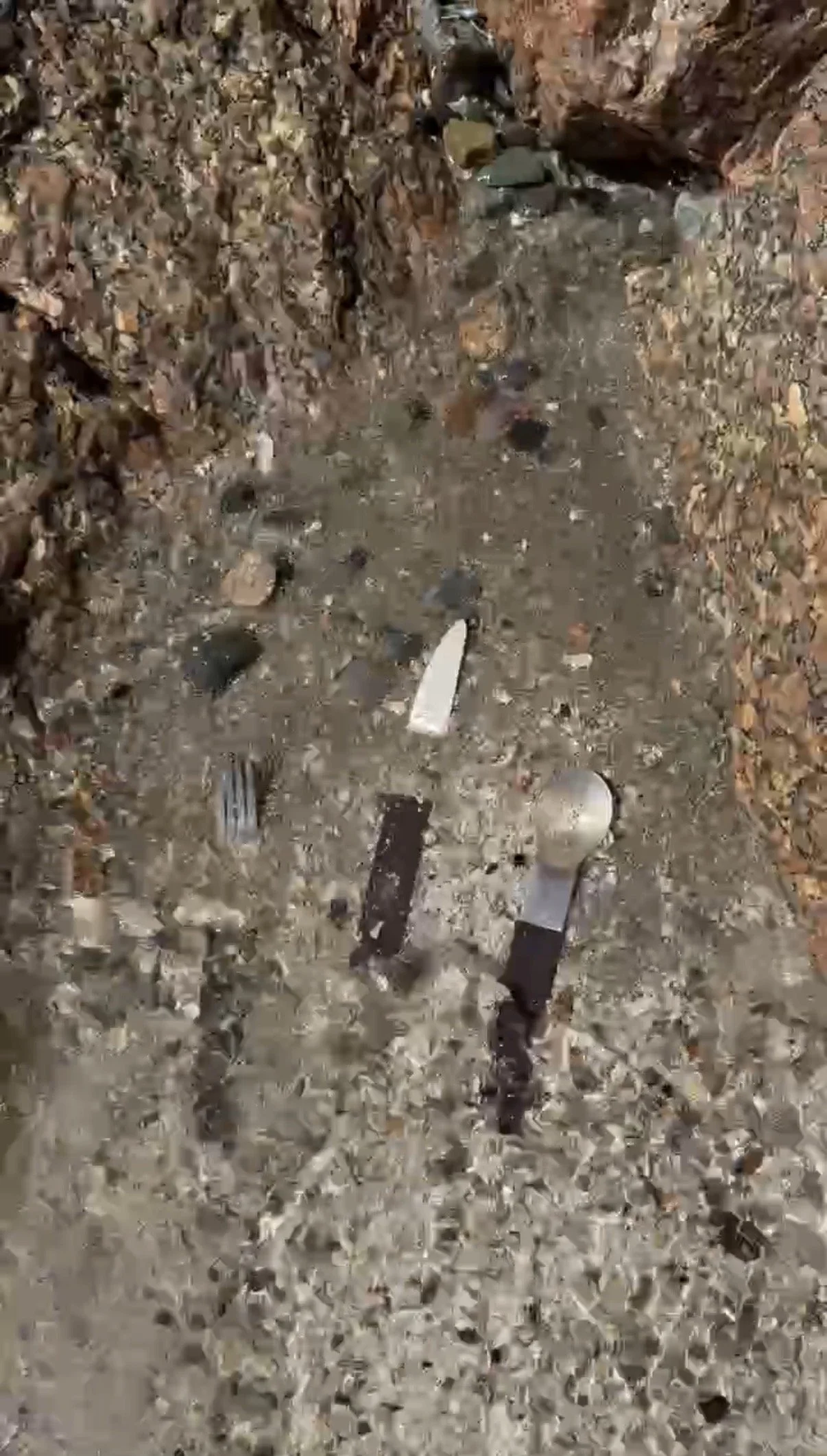
Video Stills, Faythe Levine © 2026
That intuitive impulse feels close to how we think about the namesake of our studio: Fool’s Gold. Pyrite (aka Fool’s Gold) earned the nickname for its resemblance to gold and its ability to be mistaken for something more valuable. We’ve always been interested in the question underneath it: where do we place value, how is value assigned, and where do we place our time? These are questions we see running through Faythe’s work too, in the people, histories, forms of labor, and everyday things she chooses to spend time looking at. Our friendship with Faythe has included many nights shared around a table, talking about making, working, and the things we each find worth pursuing. In different ways, our practices ask what happens when we give something our attention, whether an individual, a community, a material process, or an ordinary domestic object made slowly. All are pursuits that, in one way or another, exist against practical odds.
Maybe that brings us back to three pieces of flatware underwater off the coast of Maine. For a moment, the things we have spent the last year looking at every day became unfamiliar again. Perhaps there is still something there waiting to be found.
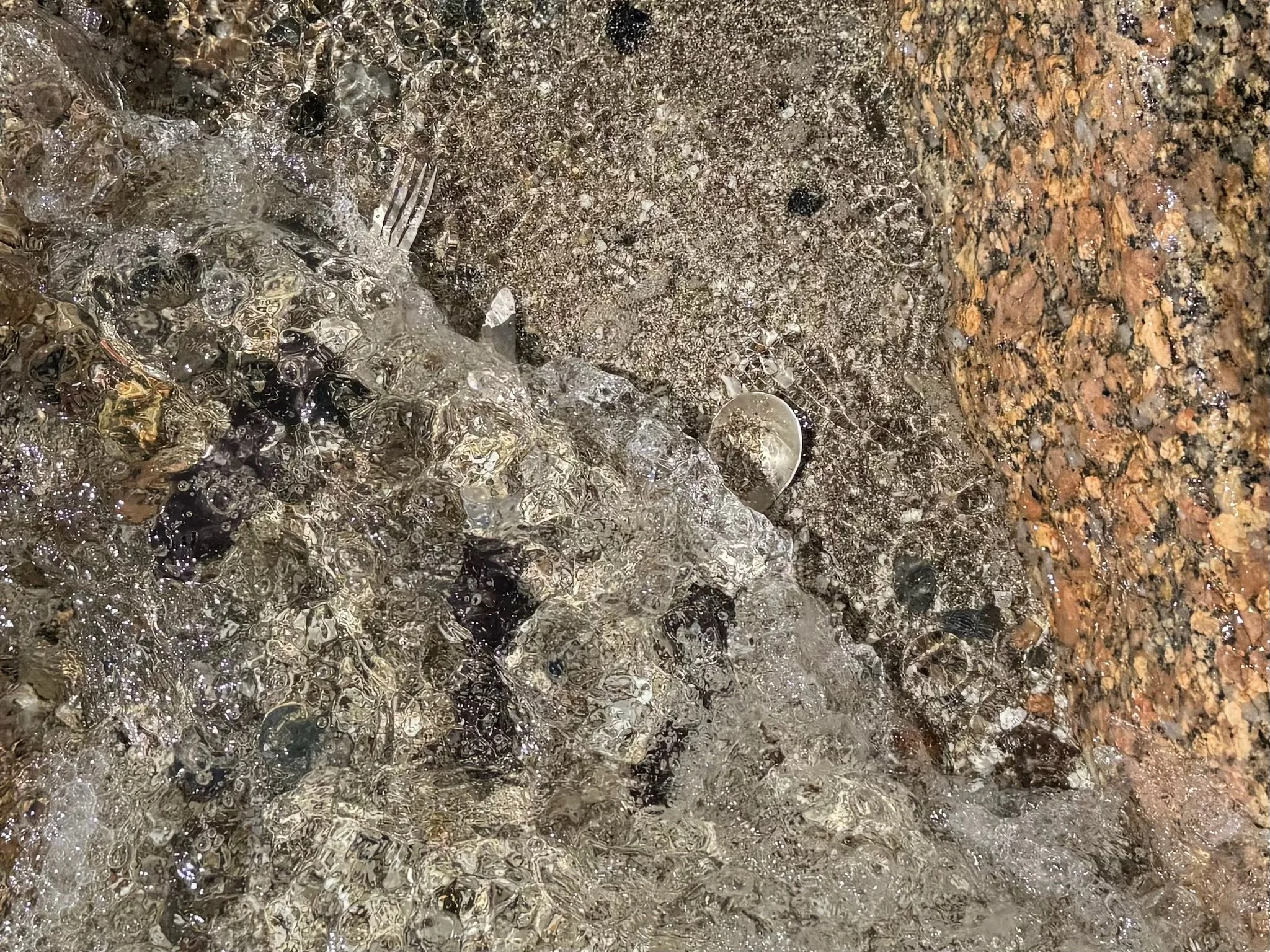
Faythe Levine © 2026
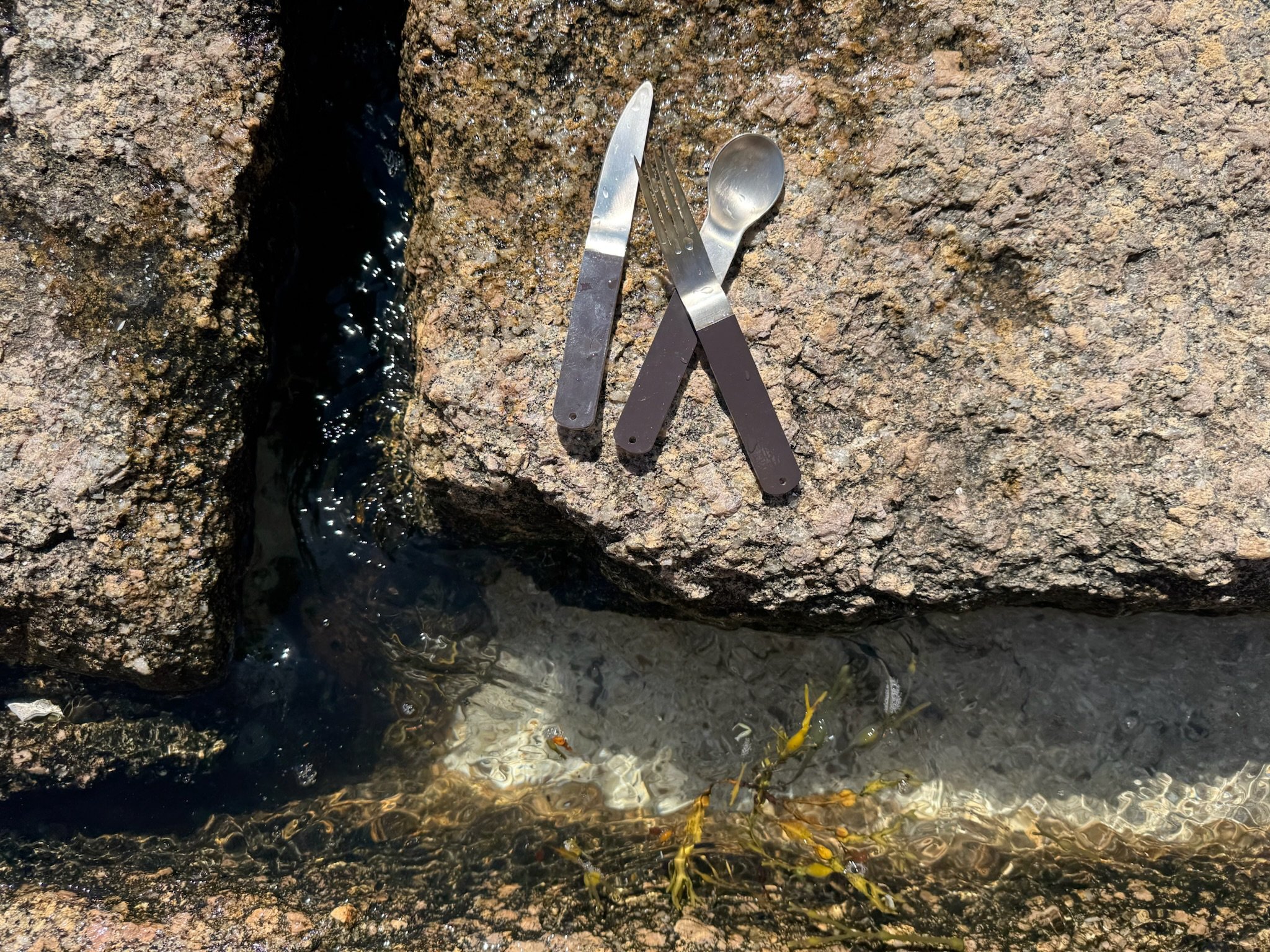
Faythe Levine © 2026
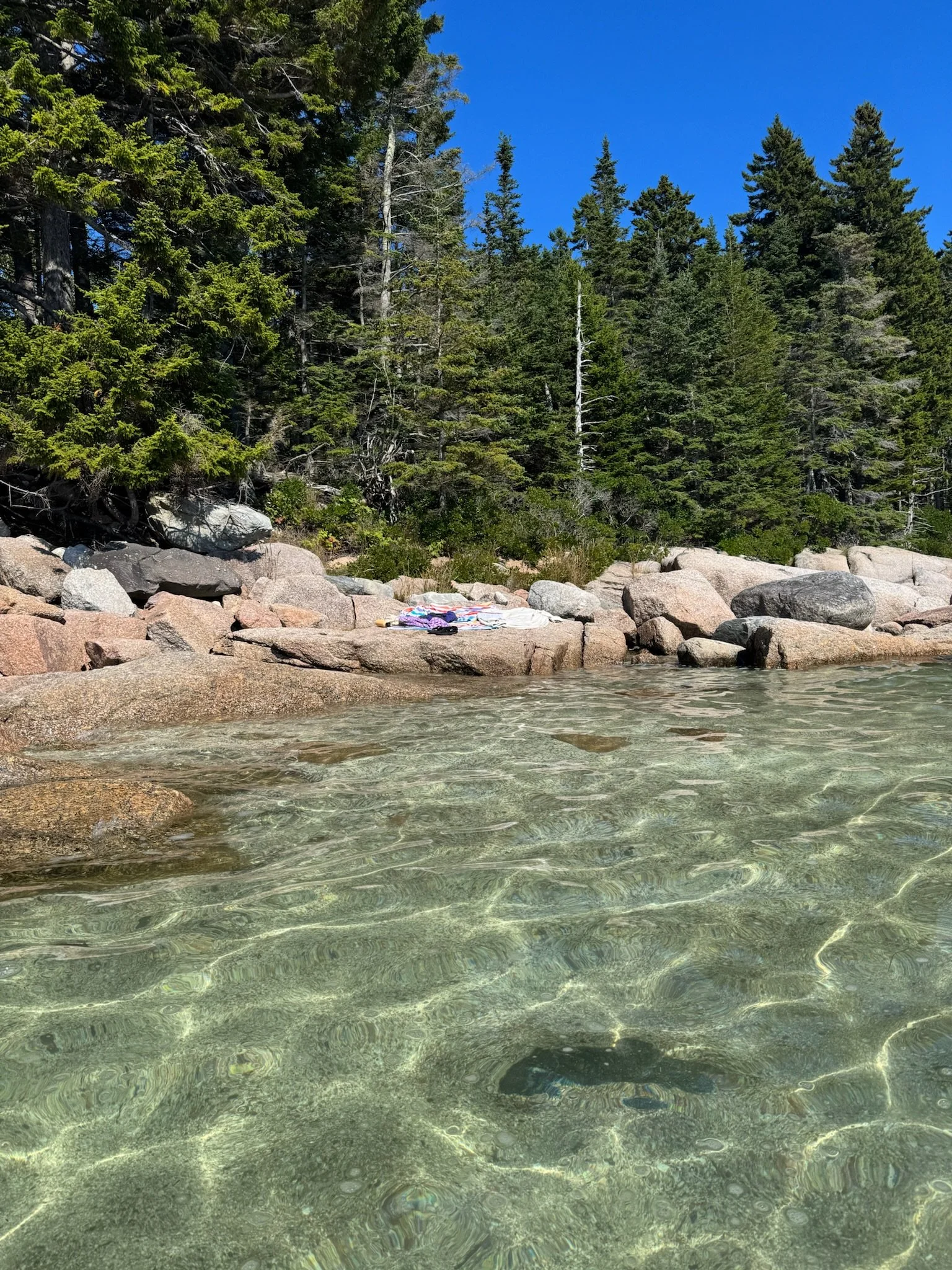
Faythe Levine © 2026
Find Faythe Levines’s work in the In Praise of Small Things We All See .
Please visit Faythe Levine online at: https://www.faythelevine.com/